
Introduction
Selling your car can be a strategic move for business owners looking to refresh their financial strategy. Imagine transforming a depreciating asset into cash that can fuel your business growth-whether that means upgrading your transportation solutions or investing back into your venture. By selling your car, you not only free up capital but also remove the burden of maintenance costs, insurance, and depreciation.
Not to mention, the process can be quick and straightforward, especially with platforms that focus on selling used vehicles. With many options available, such as Cash for Cars, owners can find the perfect outlet to maximize their returns. The benefits are not just monetary; selling your car can also provide a sense of relief from ongoing car-related responsibilities, allowing you to focus more on what truly matters-running your business. Discover the personal and financial advantages of transitioning away from vehicle ownership in our guide.
Common Reasons Business Owners Sell Their Cars
Business owners may find themselves needing to sell their vehicles for various reasons. Understanding these motivations can help other entrepreneurs make informed decisions about their own vehicle ownership. Here are five common reasons:
-
Financial Considerations: Many business owners sell their cars to generate cash flow for reinvestment into the business. Selling a vehicle can provide immediate funds which can be critical for addressing unexpected expenses or investing in growth opportunities.
-
Upgrading to a New Vehicle: As technology advances, business owners might sell their older vehicles to purchase newer, more fuel-efficient or technologically advanced models. This upgrade can enhance productivity, especially if the vehicle is used for business travel.
-
Reducing Operational Costs: Owning a car comes with various ongoing expenses such as insurance, maintenance, and fuel. Reducing or eliminating these costs is often a priority for business owners, prompting them to sell their cars when they become more of a financial burden.
-
Changing Business Strategies: As business needs evolve, so do vehicle requirements. Business owners may sell their cars if they shift to a different mode of transportation or if their business model changes significantly, leading to different logistical needs.
-
Tax Optimization: Some business owners take advantage of tax benefits by transferring personal vehicles into company assets or selling them to claim depreciation deductions. This strategic move can optimize their overall tax position.
For more information on the costs associated with car ownership in a business context, check out this guide. Moreover, to understand how to maximize tax deductions for your business vehicle, refer to the IRS guidelines.
| Selling Method | Pros | Cons | Average Time to Sell | Average Price Received |
|---|---|---|---|---|
| Dealership Trade-In | – Fast transaction (3-7 days) |
-
Convenient, no need for advertising | – Lower value (15-20% less than private sale)
-
Limited negotiations | 3-7 days | $22,800 (75% market value) |
| Private Sale | – Highest potential profit (up to 20% more than trade-ins) -
Ability to negotiate and market | – Lengthy process (14-21 days)
-
Requires effort to show to buyers
-
Risk of scams | 14-21 days | $26,900 (90-100% market value) |
| Online Platform | – Faster than private sales (average 10-18 days) -
Better pricing than dealerships (10% higher) | – May take longer if priced too high
-
Less direct interaction | 10-18 days | $25,000 (85-95% market value) |
For more insights on determining which method is right for you, check out the ultimate guide to selling your junk car for cash and research your car’s value.
Preparing Your Car for Sale
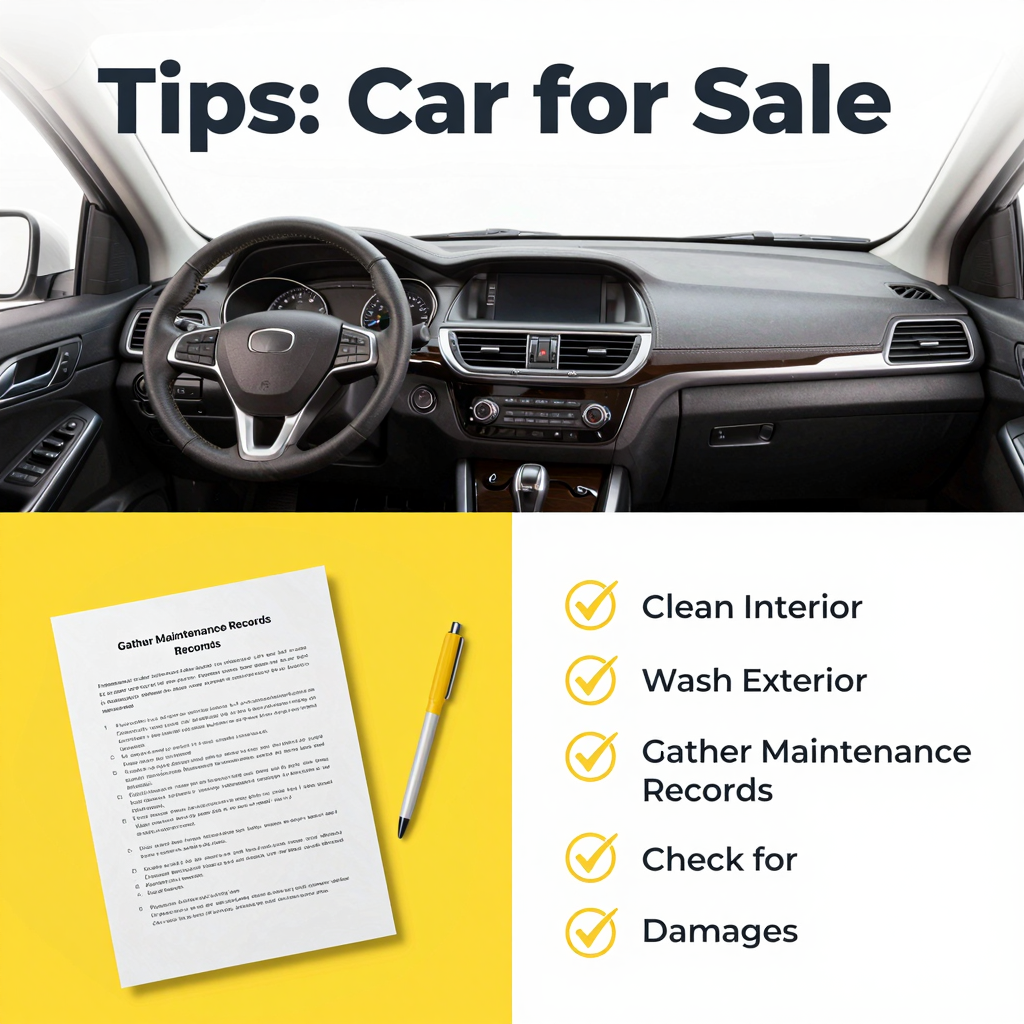
Preparing your car for sale is crucial, especially for business owners who want to maximize their return on investment. Follow these actionable steps to ensure your vehicle stands out to potential buyers:
1. Thorough Cleaning
- Exterior: Start with a complete wash of the car’s exterior. Clay bar treatment followed by waxing can give your car that shiny, attractive look. Pay special attention to any scratches or dents; minor cosmetic fixes can significantly improve the car’s appearance.
- Interior: Clean the interior thoroughly. Remove all personal items, vacuum the seats and carpets, and use an upholstery cleaner on any stains. Consider using an air freshener to eliminate odors, giving the car a fresh scent.
- Engine Compartment: A clean engine gives off a well-maintained impression. Use a damp cloth or a detailing spray to clean visible grime without soaking any electrical components.
2. Conduct Maintenance
- Check the oil, coolant, and brake fluid levels; change these if necessary.
- Ensure all lights function properly, including headlights, brake lights, and turn signals.
- Inspect the tires for proper inflation and tread wear. It may be worth investing in a fresh set of tires if the current ones appear worn out.
3. Gather Documentation
- Collect all essential documents:
- Vehicle title
- Maintenance records
- Service history
- Proof of insurance
- Having these documents organized will reassure buyers of your vehicle’s maintenance history and can expedite the sale process.
4. Market Effectively
- Highlight the vehicle’s business-use history, showcasing reliability and any low mileage attributed to corporate care. Advertise on various platforms, including social media and auto sales websites.
Following these steps will not only enhance your car’s appeal but will also streamline the selling process, making it more efficient for you as a business owner. For more detailed advice, check out our ultimate guide to selling your junk car for cash. Additionally, refer to this checklist for selling your car for more tips.
Valuing Your Car: A Guide for Business Owners
When it comes to selling your car, properly assessing its value is crucial for maximizing profit. Here are detailed steps for business owners to value their vehicle using online tools and local market research:
Step 1: Use Online Valuation Tools
The internet is filled with resources that can help you determine your car’s worth. Consider the following reliable platforms:
- Kelley Blue Book (KBB): A trusted source, KBB allows users to input details like make, model, mileage, and condition to estimate vehicle value.
- Edmunds: Known for its in-depth analysis, Edmunds provides current market insights and depreciation trends to help gauge your car’s fair market price.
- CarGurus: Offers a free valuation tool that gives users a holistic view of car pricing based on real-time data from millions of listings.
Step 2: Conduct Local Market Research
Explore local classifieds, dealer prices, and auction results to gain further insights:
- Review listings of similar models on platforms like Autotrader and local classifieds to know the going rates in your area.
- Visit nearby dealerships to obtain quotes or appraisals for comparative analysis.
Step 3: Comprehensive Vehicle Appraisal
Before selling, it’s advisable to get a thorough appraisal. This can include:
- Maintenance Records: Gather proof of care and any repairs made.
- Vehicle History Reports: Tools like Carfax can help ascertain the vehicle’s condition and any previous accidents.
- Physical Inspection: Ensure your car is in good condition; consider having it inspected by a trusted mechanic.
Final Tips
- Compare Values: Cross-check the estimated values from multiple online tools and adjust for the local market conditions.
- Adjust for Condition: If your vehicle has unique features or is in excellent condition, this may increase its value.
Want more insights on selling your car fast? Check out our ultimate guide for selling your junk car for cash.
Understanding Car Depreciation Values
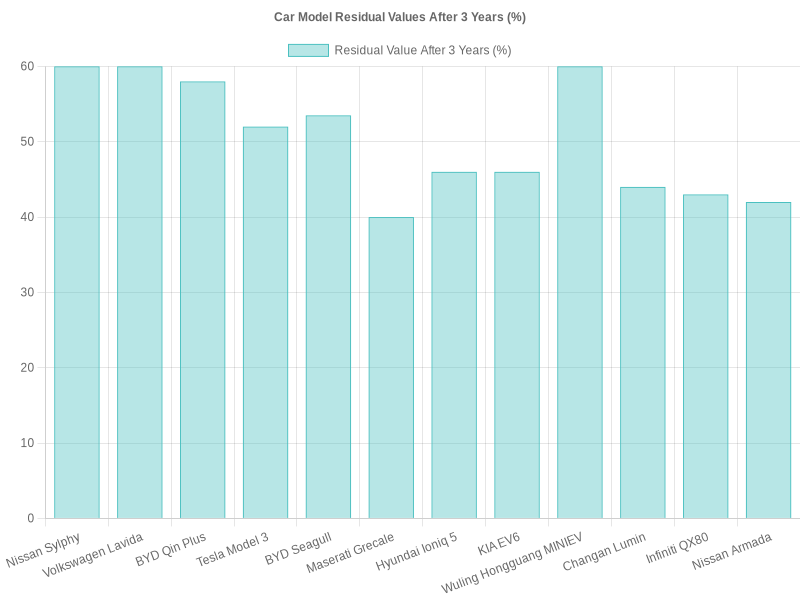
When selling your vehicle, it’s crucial to understand how depreciation affects its value over time. Cars typically lose value quickly in their initial years, with different models experiencing varying rates of depreciation based on brand, demand, and overall market trends.
To illustrate this depreciation, here’s a chart depicting car depreciation values for various models after three years:
Key Insights from the Chart:
- Nissan Sylphy and Volkswagen Lavida maintain the highest residual value at 60% after three years.
- BYD Qin Plus shows strong performance with 58%.
- Tesla Model 3, while popular, depreciates faster, retaining only 52%.
- Luxury brands like Maserati Grecale see sharper declines, dropping to just 40% residual value after three years.
Understanding these depreciation trends can help you make informed decisions about when to sell your car for optimal returns. For more guidance on this topic, learn more about selling your junk car for cash.
Conclusion and Call to Action
In conclusion, selling your car wisely can lead to significant benefits such as a higher resale value, reduced transaction time, and avoidance of unnecessary maintenance costs. By adopting best practices-including thoroughly cleaning your vehicle, preparing comprehensive maintenance records, and setting a competitive yet negotiable price-you can enhance your selling experience and maximize your profit. It’s vital to communicate transparently with potential buyers and promptly respond to their inquiries, as this helps establish trust and facilitates a smoother transaction.
Many car owners fall into common traps when selling, such as underestimating their vehicle’s worth or failing to provide all necessary documentation. Avoid these pitfalls by conducting thorough market research and ensuring your car is in top selling condition. For more details on avoiding mistakes while selling your car, check out this comprehensive guide.
Now that you have the knowledge and tools at your disposal, take the next step and sell your car today! Explore cash offers and evaluate your options at Junk Cars King. Let’s turn your vehicle into cash and simplify your selling process!
Expert Insights on Car Ownership and Selling Strategies
“When selling your car, the most often overlooked financial strategy is to thoroughly clean and maintain the vehicle. A clean, scratch-free exterior can significantly enhance the buyer’s perceived value, often increasing the final selling price by 5% to 10%. Additionally, providing a complete service history and vehicle history report, like Carfax, builds trust and helps avoid being in a negotiating weak position.”
- Emily Chen, Financial Advisor (Forbes)
This perspective emphasizes the importance of presentation and transparency in the selling process, which can lead to better financial outcomes for business owners looking to sell their vehicles. For more tips on maximizing your sale, check out our ultimate guide to selling your junk car for cash.
Frequently Asked Questions (FAQs) About Selling Cars as a Business Owner
1. What legal requirements must I meet to sell cars as a business owner?
To legally sell cars, you must obtain a business license that includes the sale of used vehicles within your operating scope. Ensure vehicles are properly registered and that you provide complete and truthful condition reports. Always have a third-party inspection available for transparency. Learn more about the legal processes.
2. What is the best channel for selling cars?
There are several options for selling cars:
- Online auctions: Platforms where various dealers can bid often give better prices due to competition.
- Dealerships: Selling to a dealership is the simplest but may net you a lower price because of the convenience.
- Direct sales: Selling to individuals often yields the highest price, but it can be time-consuming and risky.
It’s essential to evaluate your priorities regarding price versus convenience. Read more about the best channels for selling.
3. How do I determine the value of the cars I want to sell?
Using professional tools like online valuation calculators can give you an accurate estimation of your car’s worth. Ensure you consider factors like the make, model, year, and overall condition of the vehicle. Keep up with market trends in the used car sector for better insights.
4. What are common pitfalls when selling cars?
Common challenges include:
- Not verifying ownership or conditions: This can lead to legal disputes.
- Failing to disclose vital vehicle history: Hidden damage or accidents can result in lawsuits.
- Underpricing due to lack of knowledge: Understand the market and use valuation tools to avoid selling too low.
Adopting a professional approach and being well-informed can mitigate these risks.
5. How can I attract more buyers?
Make sure your vehicles are well-presented. Transparency in vehicle condition and history instills confidence among potential buyers. Additionally, consider digital marketing strategies such as showcasing your cars on social media or online marketplaces to increase visibility.
6. Should I use a third-party inspection service?
Yes, utilizing a third-party service not only validates your claims about the vehicle’s condition but also enhances buyer trust. It’s advisable to provide these reports to potential buyers to prevent disputes later on.
Conclusion
Selling cars as a business owner comes with its challenges, but understanding the legal requirements, exploring various sales channels, and maintaining transparency can greatly enhance your success. For a comprehensive guide on this topic, check out this resource.
By being well-prepared and knowledgeable, you can navigate the complexities of the car sales market effectively.