
Buying a used car can be one of the most significant investments for any business owner, whether it’s for personal use, employee transportation, or as part of your operational fleet. In today’s dynamic market, understanding the nuances of purchasing a pre-owned vehicle not only saves money but also ensures you make a choice that aligns with your business goals. With increasing options and ever-changing market values, the journey of selecting the right vehicle can be daunting. However, the right approach can simplify this process and lead to greater satisfaction and value. In this comprehensive guide, we’ll explore the best strategies tailored specifically for business owners looking to navigate the often overwhelming landscape of used car buying. From evaluating your needs based on operational demands to leveraging online resources for the best deals, carrying out thorough inspections, and understanding financing options, we’ve covered it all. Ready to transform your vehicle acquisition strategy? Let’s dive in and ensure you’re equipped with the knowledge needed to make an informed purchase. For more specialized tips on buying cars that cater to your business needs, check out this guide on buying used cars for businesses or explore financing options through our ultimate guide.
Research Strategies for Buying Used Cars
Purchasing a used car can be a daunting task, especially for business owners looking for reliable vehicles at an economical price. To make this process smoother, consider implementing these effective research strategies:
Define Your Needs
Before diving into the vast pool of options, it’s essential to clarify what you need in a vehicle. Determine factors like:
- Size: How many passengers will you typically have? Do you need extra cargo space?
- Type of Vehicle: SUV, sedan, truck, or perhaps an alternative fuel vehicle?
- Budget: Establish a price range that includes potential hidden costs like taxes, insurance, maintenance, and fuel efficiency. Consider using authoritative resources to estimate yearly ownership costs for various models. You can read more about budgeting for used cars in our article on buying used cars for businesses.
Online Research Resources
Utilize various online resources to gather information about available used cars:
- Vehicle History Reports: Use services such as Carfax or AutoCheck to check the legitimacy of vehicles’ mileage and look for accidents or previous severe damage. This will help you avoid costly surprises later on.
- Comparison Tools: Websites like Edmunds offer comprehensive tools for comparing prices and features among similar models. They also provide historical data on reliability and common issues. You can explore tips on used car buying for deeper insights.
- Local Listings: Leverage platforms that focus on local inventory, such as BuyCarsLocally, which connects buyers directly with dealers, minimizing costs and facilitating transparent negotiations.
Utilize Vehicle History Reports
Investing in a vehicle history report is crucial. These reports contain vital information, such as:
- Previous ownership and maintenance records.
- Accidents and damage history.
- Title issues (salvage, rebuilt).
- Odometer discrepancies.
Websites like Edmunds emphasize how examining these reports can safeguard your investment in a used vehicle, ensuring it aligns with your business needs.
Inspect Potential Purchases
Once you’ve narrowed your options, arrange for an independent inspection by a trusted mechanic. This step is particularly important for older vehicles or those with high mileage. A mechanic can:
- Assess the overall condition of the car.
- Identify any potential red flags that would not be visible externally.
- Provide a detailed inspection report to aid in price negotiations.
Conclusion
In sum, researching used cars involves a systematic approach to defining your needs, utilizing online resources for price comparisons, and understanding a vehicle’s history through detailed reports. By taking these steps, business owners can confidently negotiate deals that meet both their operational and financial requirements. For more related tips and insights, check our guide on the ultimate guide to selling your junk car for cash.
These strategies not only enhance your credibility as a buyer but also assist in making informed decisions that can significantly impact your business operations.
Comparison of Buying Options for Used Cars
When it comes to purchasing a used car, business owners have several avenues to choose from. Each method has its unique advantages and disadvantages. Below, we’ve created a comprehensive comparison table detailing the pros and cons of buying from a dealership, private seller, and online platforms.
| Method | Pros | Cons |
|---|---|---|
| Dealership | – Offers warranties and certified pre-owned vehicles |
- Standardized paperwork and smoother financing options
- Easier to verify vehicle history and condition | – Generally higher prices due to overhead
- Limited negotiation flexibility
- Additional fees may apply (e.g., doc fees) |
| Private Seller | – Lower prices and greater negotiation flexibility - Direct insight into the car’s history from the owner
- Potential to avoid sales taxes in some states | – Higher risk of hidden issues without warranties
- No established processes for buyer protections
- Difficulty in verifying the car’s condition |
| Online Platforms| – Convenience and vast selection of listings - Price comparison tools available
- Flexible purchasing options (financing and inspections available) | – Risk of scams and misrepresented vehicles
- Limited opportunity for physical inspections
- Potential for high fees on convenient services |
For further insights on the best practices for buying a used car, check out this complete guide. Additionally, you can learn about specific platforms and their advantages in our online car buying article.

Tips for Inspecting a Used Car
Buying a used car can be a daunting process, especially for business owners looking to add vehicles to their fleet or for personal use. Conducting a thorough inspection is essential to ensure you’re making a wise investment. Here are detailed tips to help you conduct a comprehensive inspection of any used car you consider buying.
1. Check Documentation
Before you even start inspecting the car itself, ensure all necessary documents are in order:
- Vehicle Identification Number (VIN): Verify that the VIN on the car matches the one on the title and registration documents.
- Vehicle History Report: Obtain reports such as Carfax or AutoCheck to check for any accident history, odometer discrepancies, or title issues. Learn more about vehicle history reports.
- Maintenance Records: Request maintenance records to ensure the vehicle was properly taken care of.
2. Perform an Exterior Inspection
The exterior of the car can reveal a lot about its overall condition:
- Look for Scratches and Dents: Inspect the car for any visible dents or deep scratches that could indicate past accidents.
- Assess Paint Quality: Check for inconsistencies in paint color and texture. Mismatched paint can signal repairs from an accident.
- Check Panel Gaps: Pay attention to the spaces between body panels. Uneven gaps may indicate prior structural damage.
3. Examine the Interior
The interior condition gives insights into the vehicle’s usability:
- Check Upholstery: Look for wear and tear, particularly on the seats, steering wheel, and pedals. Excessive wear could suggest heavy use.
- Test Electronics: Ensure all electronic functions, such as windows, lights, and infotainment systems, operate correctly.
- Odor Inspection: A musty smell could indicate water damage; be cautious if anything seems off.
4. Under the Hood
Inspecting the engine can help assess the car’s reliability:
- Check Engine Oil: Pull out the dipstick to check oil levels and quality. Dark, thick oil may suggest neglect.
- Inspect Coolant: Look for any signs of contamination in the coolant reservoir, which could indicate a more serious engine problem.
- Examine Belts and Hoses: Old, cracked, or frayed belts and hoses are signs of potential replacement needs.
5. Look at the Tires
Tire condition can indicate how well the vehicle was maintained:
- Tread Depth: Ensure the tread on all tires is even and sufficient. Unequal wear could suggest alignment issues.
- Manufacture Date: Check the date stamped on the tires to ensure they aren’t too old (typically, tires should be replaced after 6-10 years regardless of tread depth).
6. Test Drive the Vehicle
Taking the car for a test drive allows you to gauge its performance:
- Listen for Unusual Noises: Pay attention to the sound of the engine, brakes, and transmission.
- Assess Handling: Drive on various types of roads, especially during turns, to see how the car responds.
- Check Braking Performance: Ensure the brakes respond smoothly and without noise or vibrations.
7. Professional Inspection
If you’re unsure about your ability to spot issues, consider hiring a mechanic to conduct a pre-purchase inspection. A professional will provide a detailed assessment of the car’s condition, identifying any hidden problems you might miss.
Common Pitfalls to Avoid
Being aware of pitfalls can save you from making a regrettable purchase:
- Trusting Appearance Alone: Many cars are cosmetically restored to hide issues. Always dig deeper than initial appearances.
- Ignoring Red Flags: Mismatched paint and uneven panel gaps can indicate prior accidents. Don’t overlook these signs.
- Skipping the History Report: Always check for accident history, which can provide insight into the car’s past.
- Overlooking Test Drive: A thorough inspection is not complete without a test drive. Never skip this step, as it can reveal performance issues.
In conclusion, purchasing a used car requires diligence and careful inspection. By following the above tips, business owners can make informed decisions and acquire vehicles that are both reliable and worth the investment. For further insights on buying used cars for your business, check out our guide on buying used cars for businesses.
User Testimonials: Real Experiences in Buying Used Cars
For business owners, buying used cars can be a smart financial move. Here are some compelling testimonials from those who have successfully navigated the used car market:
“After switching to a fleet of used Toyota Priuses, our delivery service in Florida reduced fuel and insurance expenses by nearly 30%. It’s been a game changer!”
- Chris, Delivery Service Owner.
Read more about Chris’s story“Investing in a used Ford F-150 saved my landscaping business over $10,000 compared to a new model, and it has provided reliable performance ever since!”
- Mark, Landscaping Company Owner.
Learn more about used car benefits“Buying a certified pre-owned Honda CR-V was one of the best decisions I’ve made for my mobile pet grooming service. The fuel efficiency and low maintenance costs have really helped my bottom line!”
- Erica, Mobile Pet Groomer.
Explore more success stories here
These testimonials illustrate how purchasing used cars can significantly impact business operations, offering both financial savings and reliability.
If you’re considering a used car purchase for business, check our guide on buying used cars for businesses for more tips!
By sharing these real experiences, business owners can feel more confident in their decision to invest in used cars, knowing they aren’t alone in their choice.
Financing Options for Purchasing Used Cars
When it comes to acquiring used cars, business owners have several financing options available. Understanding these options can aid in making informed decisions that fit their budget and business needs. Here’s a summary of some of the most popular financing avenues:
1. Traditional Auto Loans
Auto loans from banks and credit unions are among the most common methods for financing used car purchases.
- Loan Amount: Typically, lenders offer loans covering 60% to 80% of the car’s purchase price.
- Loan Term: The duration often ranges from 3 to 5 years.
- Eligibility Requirements: Borrowers usually need to present proof of income, credit history, and vehicle evaluation.
2. Dealer Financing
Many car dealerships offer in-house financing options. This can be convenient, but it’s essential to compare interest rates.
- Advantages: Fast approval process and direct handling of paperwork.
- Disadvantages: Often higher interest rates than traditional loans.
- Negotiations: Always negotiate terms and rates before committing.
3. Personal Loans
If traditional auto loans are not an option, personal loans from banks or online lenders can be utilized.
- Pros: No need to specify the loan use; flexibility in funding.
- Cons: Interest rates tend to be higher than auto loans, and creditworthiness plays a significant role in rates and payments.
4. Seller Financing
In some cases, the seller may offer financing to the buyer. This is more common in private party sales.
- Terms: Often more flexible than institutional financing, can include down payments and repayment schedules tailored to the buyer’s situation.
5. Credit Cards
Some buyers might opt to use credit cards for purchasing a used car, particularly if they can take advantage of a promotional low or zero-interest rate period.
- Limitations: Most credit cards come with lower limits compared to the car’s costs, and interest rates after the promotional period can be high.
6. Leasing Options
If buying outright isn’t feasible, leasing used cars is also an option, although less common.
- Short-Term Option: Leasing can offer lower monthly payments, but at the end of the term, the car must be returned.
Conclusion
No matter what financing option you choose, it’s crucial for business owners to conduct thorough research and consider factors like interest rates, loan terms, and total costs. Resources such as buying used cars for businesses can provide further insights. Additionally, reviewing potential car values through services like Edmunds can help ensure you are making a well-informed purchase.

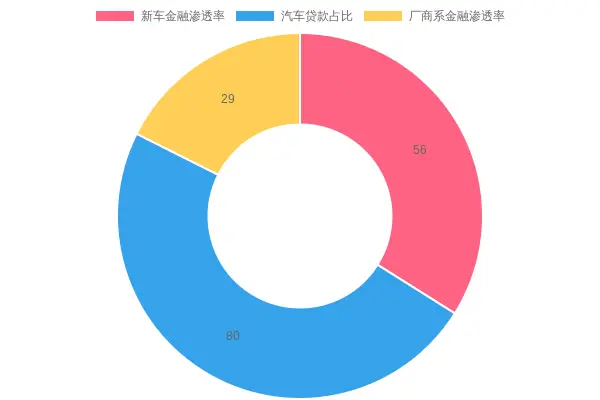
Click above for 2023 Auto Financing Statistics
Visual Representation of Auto Financing Options
The chart above illustrates key statistics regarding auto financing, emphasizing the penetration rates and approaches to used cars in 2023. Business owners should take these trends into account when selecting the best financing method for their used car purchases.
The Negotiation Process: Securing the Best Price When Buying a Used Car
Negotiating the price of a used car is not just about haggling; it’s a strategic process that involves preparation, research, and a unique set of interpersonal skills. For business owners, understanding the nuances of negotiation can lead to substantial savings and favorable terms when acquiring vehicles for company use. Here are key strategies to help you through the negotiation process when buying a used car:
1. Do Your Homework
Before engaging in any negotiations, thorough research is essential. Familiarize yourself with the market value of the vehicle you are interested in. Utilize tools like Edmunds or other online platforms to understand what similar models are selling for. Look at:
- Market Prices: Check the average selling price for the same make and model across various platforms.
- Vehicle History Reports: Utilize tools to get the vehicle’s history, including accidents and maintenance.
- Condition Assessment: Be aware of how certain conditions (e.g. mileage, cosmetic issues) affect the car’s value.
2. Inspect the Vehicle Carefully
A critical part of the negotiation process is a thorough inspection of the vehicle. Check:
- Exterior and Interior Condition: Look for scratches, dents, and signs of wear.
- Mechanical Components: Listen for odd noises during a test drive and check fluid levels.
- Documentation: Verify that the vehicle’s maintenance records are available and check for any previous accidents.
3. Work from a Position of Knowledge
The more informed you are, the stronger your negotiating position. Start the conversation with your maximum budget in mind, but don’t reveal it. Instead:
- Ask Open-Ended Questions: This can provide insight into the seller’s motivations and any flexibility in pricing they may have.
- Present Your Findings: If you notice issues (even minor ones), use them as leverage to negotiate a lower price. For instance, if the car has minor cosmetic flaws, mention how these will affect resale value.
4. Negotiation Techniques
Here are several techniques to use during negotiations:
- Anchor Your Offer: Start with an offer lower than your intended maximum but reasonable enough to not be dismissed outright.
- Use Silence: After presenting your offer, stay silent. Sometimes, the seller will be compelled to fill the silence with concessions or improvements on their initial offer.
- Be Prepared to Walk Away: This is perhaps the most powerful negotiating tool. If the deal doesn’t meet your requirements, make it clear you are prepared to look elsewhere.
5. Incorporating Terms Beyond Price
Negotiation is about more than just dollars. Consider asking for additional benefits such as:
- Extended Warranty: This can be essential for peace of mind, particularly for older vehicles.
- Maintenance Services: Free oil changes or maintenance checks can save on long-term costs.
- Flexibility in Payment Terms: If you need a finance option, discuss favorable terms upfront to avoid additional charges later.
6. Final Steps
Once you’ve reached an agreement on price, ensure the following:
- Get Everything in Writing: This includes the price, any promises made regarding repairs or services, and the details of the transaction.
- Review the Contract Carefully: Ensure there are no hidden fees and that you fully understand the terms before signing.
By mastering these negotiation strategies, business owners can navigate the complexities of buying a used car with confidence, resulting in a more favorable purchase. Remember, preparation and a calm demeanor go a long way in securing the best deal possible for your needs. For further insights on the buying process, consider checking out this guide on buying used cars for businesses.
Understanding Car Depreciation Rates
When it comes to investing in used cars, understanding depreciation rates is vital for making informed decisions. Business owners looking to purchase vehicles should consider how much value a car loses over time. This chart highlights the depreciation rates of popular used car models over time, specifically focusing on a few notable luxury brands:
| Vehicle Model | Brand | 1-Year Depreciation | 3-Year Depreciation | 5-Year Depreciation |
|---|---|---|---|---|
| Porsche 911 (2021) | Porsche | ~8% | ~18% | ~25% |
| Tesla Model 3 (2021) | Tesla | ~15% | ~30% | ~40% |
| Lexus ES (2021) | Lexus | ~10% | ~20% | ~28% |
Source: Kelley Blue Book (KBB), 2026 data for 2021 model year vehicles
For a detailed look at used car values and how to inform your purchasing choices, learn more about used car values.
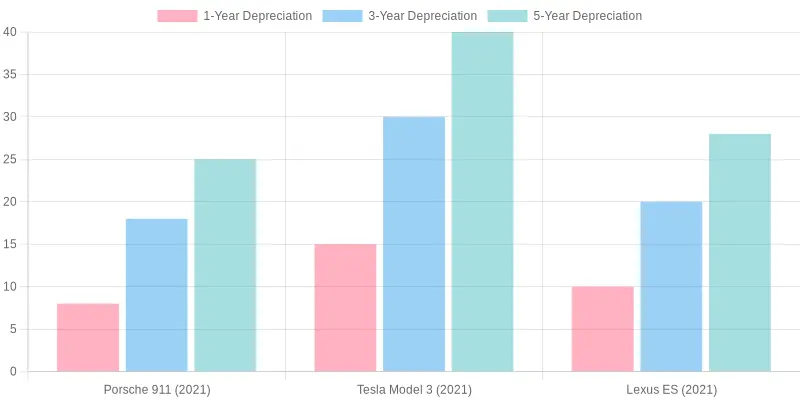
Understanding depreciation rates will empower you to make sound investment choices that safeguard your business’s financial future.
Conclusion
In conclusion, buying a used car can be a strategic and cost-effective decision for business owners. The benefits outlined in this article clearly show how smart investments in used vehicles have the potential to enhance operational efficiency while saving significant costs. Here are the key points to consider:
- Cost Savings: Used cars typically cost 30%-50% less than their new counterparts, which allows for substantial upfront savings. As discussed in sources such as Forbes, the lower purchase price directly reduces your capital expenditures.
- Tax Advantages: Purchasing used cars can yield considerable tax benefits for small businesses. According to the IRS, you may be eligible for immediate deductions or depreciation on these vehicles, effectively lowering your tax burden.
- Operational Flexibility: Used vehicles provide immediate availability which is crucial for businesses needing to deploy assets quickly. As noted by the Harvard Business Review, they are ideal for short-term projects or transport needs, helping maintain business flow without the uncertainties that come with new vehicle purchases.
- Lower Depreciation Risk: Used cars have already undergone significant depreciation, reducing the loss you might experience upon reselling the vehicle. This is essential for those looking to manage their cash flow effectively.
Encouragingly, the current market provides numerous options for business owners looking to invest in used vehicles without the daunting costs associated with new cars.
Taking the next step is crucial. If you’re contemplating purchasing a used car for your business, don’t hesitate to act on the insights gained from this article. Explore your options now by visiting our page on buying used cars for businesses to find the best deals available. The right investment can lead to boosted efficiency, reduced costs, and ultimately, wider profits for your business. Don’t wait-step into the world of used car buying and discover the advantages yourself!