
Introduction
In today’s rapidly evolving business landscape, the decision to invest in a used car can be a game-changer for entrepreneurs. Not only does buying a pre-owned vehicle present an opportunity for significant cost savings, but it also promotes sustainability-qualities that are increasingly vital in modern commerce. The used car market is experiencing remarkable growth, surpassing new car sales in recent years. This shift highlights a movement among business owners toward making financially savvy choices while doing their part to protect the environment. With myriad options available, knowing where to find the best deals on used cars can empower business proprietors to make informed decisions. This guide will explore top-notch sources for buying used cars, pinpointing trusted marketplaces that align with your budget and operational needs. To better understand the great possibilities ahead, check out our ultimate guide to selling your junk car for cash as it relates to your potential ventures.
Reasons Why Business Owners Should Consider Buying Used Cars
Purchasing used cars for business operations can offer several compelling advantages. Here’s a list of reasons why business owners should consider this option:
-
Significant Cost Savings: Used cars are usually much cheaper than new ones. This allows business owners to save money not only on the initial purchase but also on insurance and registration costs, which are typically lower for older vehicles.
-
Reduced Depreciation Impact: New cars can lose up to 20% of their value in the first year alone. By buying used cars, business owners can avoid the steepest drops in depreciation costs. According to research, the average price depreciation for vehicles was 15% in 2021 and increased to 18% in 2022 for all vehicles. This trend is visibly illustrated in the accompanying chart.
-
Tax Benefits: The IRS allows businesses to deduct vehicle expenses including depreciation. This can effectively lower taxable income, enabling cash flow improvements. Proper documentation is essential for maximizing these benefits, including maintaining a log and receipts for business-related use. Learn more about vehicle expenses here.
-
Variety and Selection: The market for used cars provides an extensive range of makes and models. This variety allows businesses to find vehicles suited to their specific needs, whether it’s for delivery, client meetings, or employee transportation.
-
Lower Maintenance Costs: Often, used cars tend to have lower maintenance costs, especially if the initial warranty period has passed. Many vehicles after the first few years can be reliable and have fewer immediate repair needs, which can save ongoing operational costs for businesses.
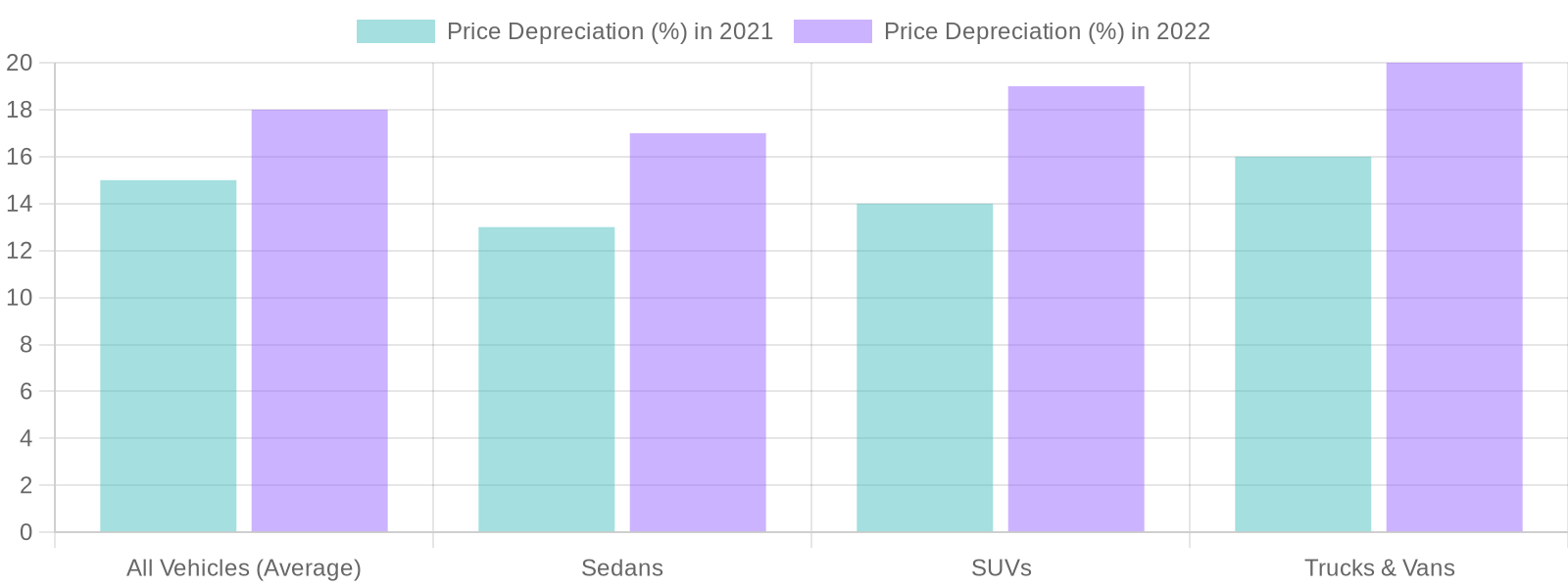
Charts illustrate used vehicle price depreciation between 2021 and 2022.
Insights into the 2023 Used Car Market
In 2023, the used car market experienced notable growth, reflecting shifting consumer preferences and economic conditions. The total number of used car sales in the U.S. reached approximately 38.5 million units, marking a 5.3% increase from the previous year. This upward trend can be attributed to a variety of factors, including rising new car prices and a constrained new vehicle supply, prompting buyers to opt for pre-owned vehicles as more economically viable alternatives. The average price for used cars in 2023 soared to $26,450, with average wholesale prices increasing by 6.2% year-over-year.
The demographic landscape of buyers also evolved significantly. Consumers aged 18-34 represented the largest segment, comprising 42% of all used car purchases. This younger demographic emphasized affordability and low maintenance costs, with an impressive 60% increase in demand for used electric vehicles (EVs) observed throughout the year. Furthermore, a staggering 72% of buyers completed their purchases online, highlighting a shift towards digital transaction channels in auto sales.
Overall, the market reveals a robust appetite for used vehicles, particularly amidst economic pressures and technological advancements influencing buyer behavior. As the demand for environmentally friendly options like electric vehicles rises, it’s expected that the dynamics of the used car market will continue to shift in fascinating ways. Buyers and sellers alike must remain agile in this evolving landscape to capitalize on emerging trends.
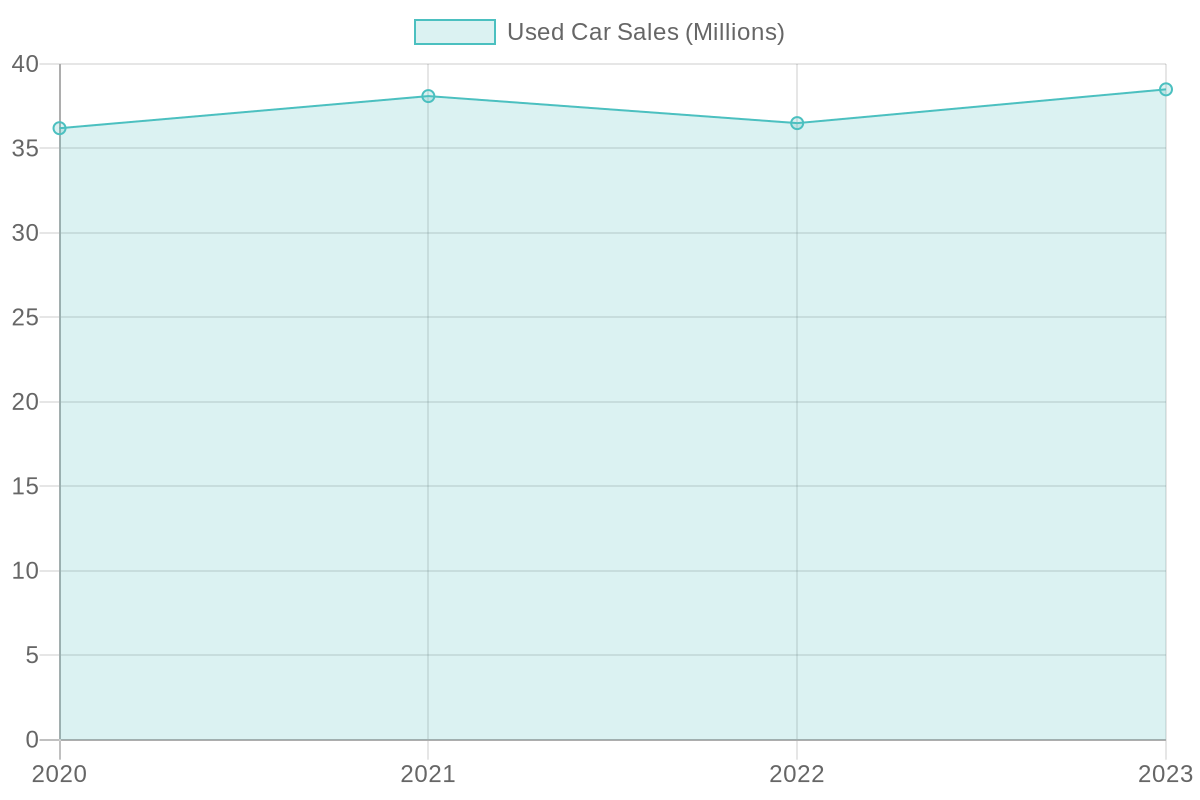
Source: Based on data from NADA and Cox Automotive.
For more information about used car values, check out this guide and explore CarMax’s offerings.
Comparison of Top Platforms for Buying Used Cars
In today’s digital age, finding the right platform for purchasing a used car is crucial for business owners seeking valuable investments. Here’s a comparison of the top five online platforms:
| Platform | Price Range | User Ratings | Vehicle Selection | Unique Features |
|---|---|---|---|---|
| CarGurus | $8,000 – $75,000 | 4.8/5 | Wide selection across the USA | User-friendly interface, accurate search filters |
| Autotrader | $10,000 – $90,000 | 4.7/5 | Largest inventory (over 1.8M cars) | Extensive database, low-price alert feature |
| Cars.com | $10,000 – $70,000 | 4.6/5 | Focused on mid to high-end cars | Data-driven recommendations and lowest price alerts |
| eBay Motors | $10,000 – $200,000+ | 4.4/5 | Auction format for rare finds | Allows bidding, good for collectors and specialty vehicles |
| Vroom | $28,000 – $45,000 | 4.5/5 | Certified pre-owned vehicles | Direct online sales, 7-day return policy |
Choosing the right platform depends on your specific needs, whether it’s price, selection, or user experience. For more details about selling cars, learn more about the process here.
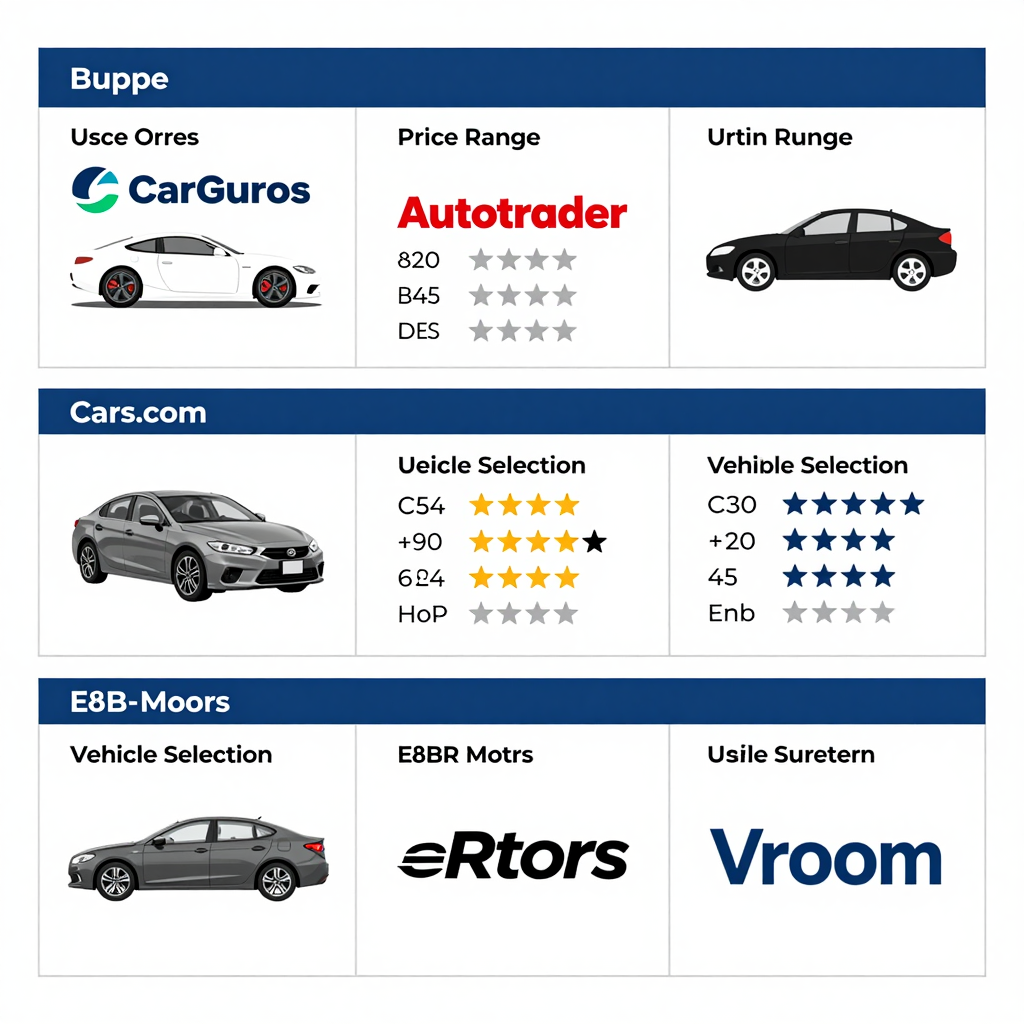
Visual representation of the differences among online platforms for buying used cars.
Key Considerations for Business Owners When Buying a Used Car
Purchasing a used car can be an excellent decision for business owners looking to save on costs while obtaining reliable transportation. However, to make a sound investment, several vital factors should be considered:
1. Vehicle History
Before making a purchase, grab a vehicle history report, which provides crucial insights into the car’s past. This should include:
- Accident history: Understanding if the vehicle has been in any accidents can indicate potential hidden damages.
- Service records: Consistent maintenance records demonstrate the prior owner’s commitment to maintaining the car. A lack of records might raise red flags.
- Title status: Ensure there are no liens or issues affecting ownership. Check for previous salvage titles or flood damage, which can significantly affect the resale value.
- To learn how to access reliable vehicle history when buying, check out this guide on vehicle valuations.
2. Thorough Inspection
Conduct a detailed physical inspection, or better, hire a qualified mechanic to perform a pre-purchase inspection. Look for:
- Exterior issues: Check for paint inconsistencies, rust spots, and alignment of body panels, which may indicate past damages.
- Interior condition: Be mindful of unusual wear and tear, and test all electronics and systems within the car.
- Under the hood: Pay attention to the engine’s condition, fluid levels, and the quality of belts and hoses. The Used Car Inspection Checklist will guide you through the necessary checks.
3. Financing Options
Explore various financing options available for purchasing used cars. Consider:
- Loan vs. Lease: Assess whether financing through a bank, credit union, or dealership is most beneficial. Look for loans with the lowest interest rates and flexible terms.
- Trade-in value: If you have an old vehicle to trade-in, evaluate its worth accurately to maximize your discount on the new purchase.
- Budgeting for additional costs: Don’t forget to account for insurance, tax, and potential repair costs, which can add up quickly.
Conclusion
By paying attention to these key factors-vehicle history, thorough inspection, and financing options-business owners can ensure that they invest wisely in a used car. This not only meets their business needs but also provides peace of mind, knowing they have made a well-informed decision.
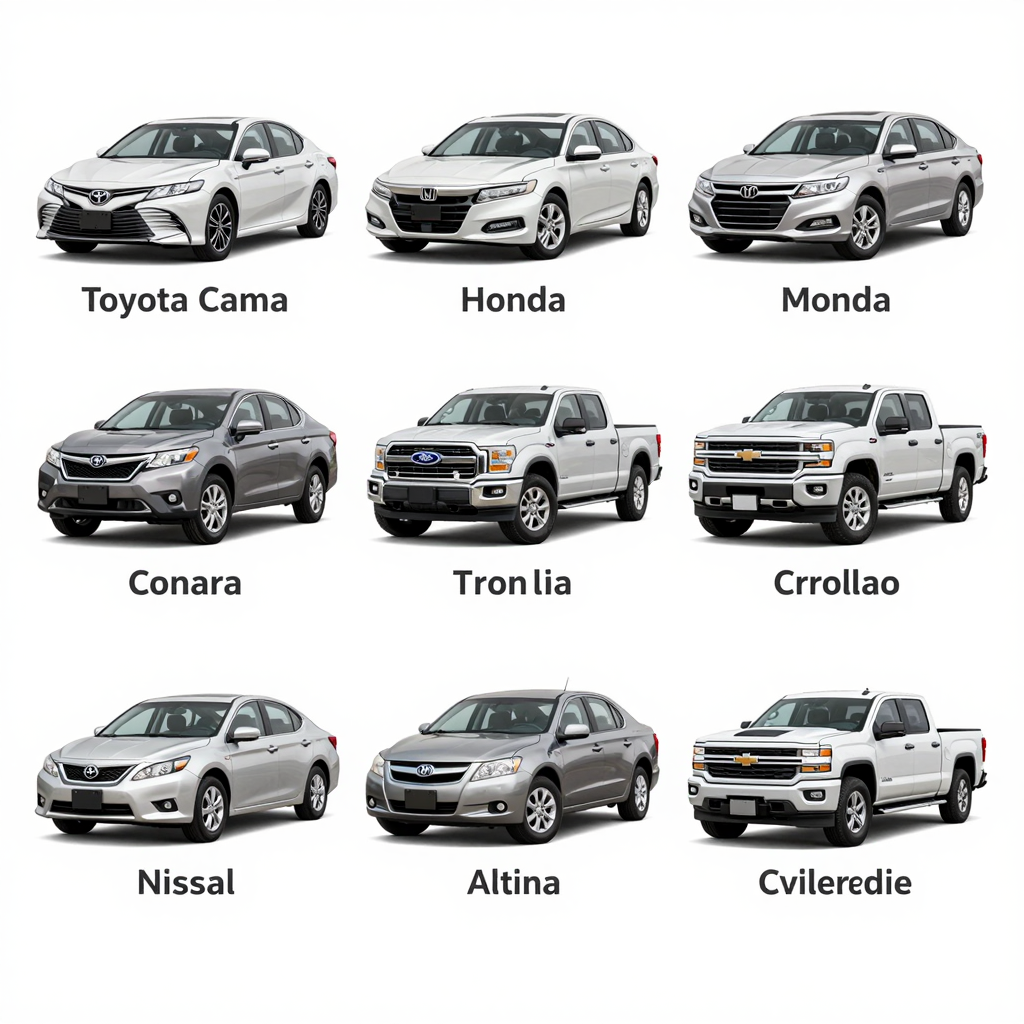
Case Studies of Businesses Successfully Integrating Used Cars
1. CarMax: Leveraging Data for Sales and Customer Experience
Source: Forbes
Date: July 12, 2023
CarMax is the largest used car retailer in the United States and has successfully utilized data analytics to enhance its operational efficiency and customer experience. By analyzing customer behavior and market demand, CarMax optimizes its inventory levels, ensuring they have the right cars available at the right prices. This approach not only reduces overhead costs but also increases customer satisfaction and sales conversion rates.
Through predictive analytics, CarMax identifies which vehicles are likely to be in demand and adjusts its purchasing strategies accordingly. This data-driven approach has led to a significant increase in their sales effectiveness and customer retention, ultimately boosting their profitability. For instance, the company reported a year-on-year increase in sales and customer satisfaction ratings.
2. An Automotive Dealership: Voice Marketing to Improve Customer Retention
Source: AMD Case Studies
Date: March 19, 2024
A regional automotive dealership implemented a voice marketing strategy aimed at enhancing customer engagement. By using personalized voice messages, the dealership successfully increased foot traffic, with customers receiving welcome messages upon arriving at the dealership and thank-you messages after test drives.
This strategy resulted in a more personalized shopping experience, which improved customer retention rates and shortened the sales cycle. The dealership noted a reduction in the time it took to close sales, as well as higher satisfaction levels among customers, leading to increased referrals and repeat business. The marketing campaign focused on customer service and relationship building, demonstrating how integrating used cars into operations can yield significant financial and operational gains.
Conclusion
The integration of used cars into a business’s operations can lead to substantial financial and operational benefits. Companies like CarMax and various local dealers illustrate the positive outcomes that targeted strategies, such as data analytics and personalized marketing, can produce. By adopting similar tactics, other businesses can maximize their return on investing in used vehicles.
Used Car Price Trends Over the Last Five Years
Understanding used car price trends is essential for business owners in the automotive sector. Over the last five years, the used car market has experienced notable fluctuations influenced by various economic factors and consumer behaviors. Below is a chart illustrating the average price of used cars from 2021 to 2025, along with key trends impacting these prices:
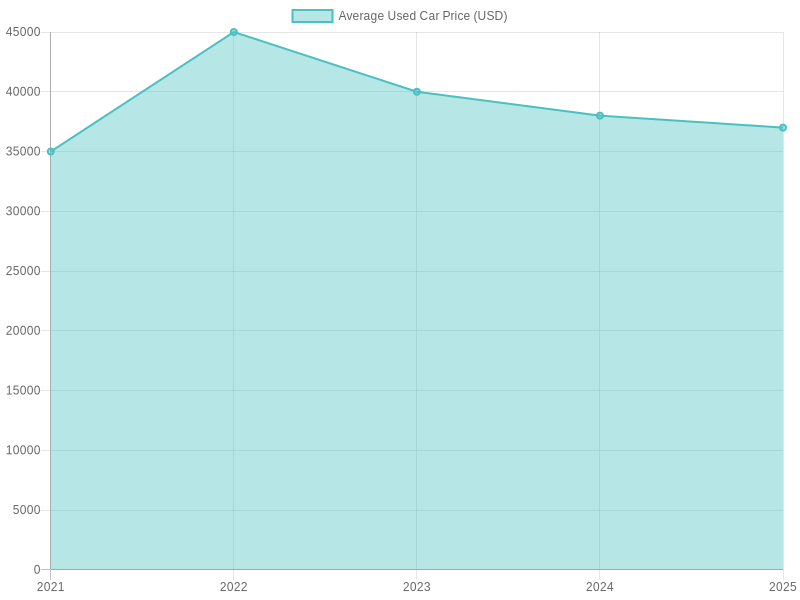
| Year | Average Used Car Price (USD) | Key Market Trends and Drivers |
|---|---|---|
| 2021 | $35,000 | Prices began rising sharply due to pandemic-related supply chain disruptions, particularly semiconductor shortages, which severely limited new car production. This forced consumers into the used market, driving up demand and prices. High consumer demand for vehicles, coupled with low inventory, led to a rapid price increase. |
| 2022 | $45,000 (Peak) | Reached peak levels as supply constraints persisted and inflation pressures mounted. The shortage of new vehicles continued to push buyers toward used cars. Additionally, increased demand from younger demographics and remote work trends boosted vehicle ownership needs. |
| 2023 | $40,000 | Prices started to decline slightly as automakers gradually restored production and new car inventories began recovering. However, high interest rates and ongoing economic uncertainty kept some buyers in the used market, moderating the drop. |
| 2024 | $38,000 | Continued downward trend driven by improved new car supply, increased off-lease and fleet vehicles entering the used market, and easing inflation. The Federal Reserve’s rate hikes had cooled demand for financing, reducing pressure on used car prices. Inventory levels rose significantly, leading to longer days-to-sell and more competitive pricing. |
| 2025 | $37,000 | Slight further decline due to sustained recovery in new car production, higher availability of both new and certified pre-owned vehicles, and weakening consumer demand amid economic headwinds. Increased competition among dealerships, especially during seasonal sales periods, contributed to price adjustments. |
For further insights into used car values, check out this guide on used car prices.
Sources:
- Cox Automotive – Used Vehicle Inventory & Market Trends
- Edmunds – Used Car Price Trends Report
- U.S. Bureau of Labor Statistics – CPI Used Cars and Trucks Index
- Trading Economics – Manheim Used Vehicle Value Index
“Buying a used car can save consumers thousands of dollars compared to a new vehicle. The steepest depreciation occurs in the first three years, so purchasing a car that’s two to five years old avoids this ‘new car depreciation cliff.’ Many used cars today come with advanced safety features and are more reliable than ever due to improved manufacturing standards.”
- Jessica Caldwell, Editor-in-Chief at Edmunds
For business owners looking to make smart financial decisions, considering the benefits of used cars can lead to significant savings and value. The advantages go beyond just cost, as the reliability and technology of used vehicles continue to improve, ensuring that budget-conscious buyers get a great vehicle.
In conclusion, delving into the used car market presents numerous advantages for business owners. As noted, opting for used vehicles can substantially lower initial capital expenditures, allowing for better financial management and allocation of resources towards vital business operations and growth. Buying used not only saves between 30% to 50% compared to new models but also provides reliable transportation, often past their break-in period, which translates into lower maintenance costs. Additionally, certified pre-owned vehicles offer the benefits of warranties and thorough inspections, ensuring quality and peace of mind. As the used car market continues to expand, with a growth forecast reflecting an increase in transactions, now is the right time to consider this cost-effective solution. Explore the ultimate guide to selling your junk car for cash and start leveraging the benefits of used vehicles for your business today!