
Buying a cash car can be a game-changer for business owners looking for dependable transportation without breaking the bank. In today’s fast-paced world, having a reliable vehicle is essential to maintaining smooth operations, whether you’re delivering goods, meeting clients, or managing on-site errands. Cash cars provide an affordable alternative to expensive new models, allowing entrepreneurs to invest their hard-earned money back into their businesses. For those searching for options, there are plenty of cash cars for sale near you, equipped to meet your professional needs. In addition to being budget-friendly, these vehicles often require less financial commitment, freeing up capital for other critical business expenses. Consider diving into the world of cash cars to enhance your transportation options while keeping costs manageable. For more insights, check out our guide on buying used cars for businesses and learn how to make the most of your investment.
Purchasing cash cars can offer substantial benefits for business owners. Here are some key advantages:
- Cost Savings: Buying a car outright eliminates the need for monthly loan payments, improving cash flow and helping maintain budget discipline.
- Reliability: Cash cars often come with less financial risk. Owning a reliable vehicle enhances business operations by ensuring transportation is available when needed.
- Lower Insurance Rates: Without a loan, business owners can choose basic insurance plans, potentially lowering their premiums. This can lead to significant savings over time.
- Flexibility: Owners have the freedom to keep or sell their vehicles anytime, offering great flexibility in their business operations.
For more insights, you can learn about managing tight budgets or discover ways to save on car insurance.
Identifying Local Listings for Cash Cars
Finding cash cars in your local area is essential for business owners looking to expand their fleet or resell vehicles. Fortunately, there are numerous platforms and community boards available to help you connect with local sellers. Here’s how you can efficiently identify these listings:
Online Platforms
-
Craigslist: A popular choice for local car listings, Craigslist allows you to search specific areas for cash cars. The platform is user-friendly, enabling you to filter results by price range, make, and model. Always exercise caution and meet sellers in public places.
-
Facebook Marketplace: This platform has quickly emerged as a strong competitor to Craigslist. It benefits from a vast user base, allowing you to connect with potential sellers while viewing their profile for added security. You can easily message sellers and negotiate deals on the spot.
-
Autotrader: Autotrader is a well-established site offering an extensive range of both new and used cars. With detailed search capabilities, you can refine your search to find cash cars that meet your specific needs. Autotrader provides listings from dealerships and private sellers alike, enhancing your options.
-
Cars.com: Similar to Autotrader, Cars.com lists used cars available for sale in your vicinity. The site features comparison tools and customer reviews, which help buyers make informed decisions. You can find cash cars listed by owners and dealerships every day. Explore Cars.com for local listings.
Community Boards
- Local Classified Ads: Don’t underestimate the power of community bulletin boards or local classified ads in newspapers. Many sellers still prefer listing their cars in traditional formats, reaching audiences who may not be online.
- Networking with Local Businesses: Establishing relationships with local auto repair shops or dealerships can lead to potential listings before they hit the broader market. Owners often prefer recommendations rather than listing online.
By leveraging these platforms and community resources, business owners can effectively scout cash cars in their local markets, ensuring you seize opportunities as they arise. For a deeper understanding of selling cars for cash, learn more about the process here.
Market Trends for Buying Cash Cars
As the automotive landscape evolves in 2023, business owners looking to invest in cash cars must navigate several key trends that impact affordability and availability. Here’s a comprehensive look at these trends:
Affordability Challenges
Recent studies indicate that affordability is a significant concern for car buyers today. A report from Edmunds highlights that six out of ten car buyers financing a used vehicle accepted interest rates between 6% and 11%. Particularly notable is the average Annual Percentage Rate (APR) for used finance purchases, which reached 11.4% in July 2023. This signals substantial affordability challenges within the market. For business owners, this means that while cash purchases may bypass high-interest financing, the overall cost of used vehicles is still subject to market fluctuations, leading to potential budget constraints. Read more about these affordability concerns here.
Reduced Inventory and Rising Prices
A reflection of current market conditions shows a rise in prices alongside a decrease in inventory. This dual trend complicates the search for affordable options. Reports indicate that buyers are increasingly facing difficulties in finding reasonably priced cash cars, which in turn affects the overall availability in terms of model selection and condition. Videos discussing these trends on platforms like TikTok have garnered attention, depicting the challenges and dynamics of today’s car market.
Availability of Affordable Options
Despite rising prices, there are still opportunities for business owners. Platforms like Cars.com showcase various late-model used cars available within a budget of approximately $20,000, offering some feasible options for cash buyers seeking affordability. This limited selection underscores how essential it is for business owners to act quickly in a competitive market. Explore more affordable cars online.
Conclusion
In summary, the trends surrounding cash cars highlight vital aspects of affordability and availability, crucial for business owners making financial decisions in 2023. As the market fluctuates, staying informed and prepared can lead to better purchasing outcomes.
| Car Condition | Price Range | Key Features |
|---|---|---|
| Used Cars | $10,000 – $25,000 | Varies by make, model, age, and mileage. Can have minor repairs needed. |
| Certified Pre-Owned (CPO) | $15,000 – $30,000 | Inspected, refurbished, and certified by the manufacturer. Includes warranties. |
| Cash Cars | $5,000 – $15,000 | Typically older models; may require repairs but offer great value for cash buyers. |
Price Insights
- Used Cars: As per recent trends, many cars in this category are available in the broader range depending on their quality and condition.
- Certified Pre-Owned: These cars generally offer peace of mind with warranties and inspections, appealing to buyers wanting reliability.
- Cash Cars: Offers economical options for those looking to spend less upfront, but may involve additional costs for maintenance.
For more detailed insights, you can check out related discussions about buying used cars for businesses and the cash for cars program.
This table and content provide a succinct comparison and context for business owners considering cash cars in today’s market.
Financing Options for Cash Cars
When business owners consider purchasing cash cars, understanding various financing options is crucial for making the best financial decisions. Cash purchases and loans both have their advantages and drawbacks, which can significantly impact business expenses.
Cash Purchases vs. Loans
Cash Purchases
Purchasing a car outright with cash can simplify the acquisition process and eliminate the burden of monthly payments. Here are some key benefits of cash purchases:
- No Interest Costs: Paying cash means no interest payments, reducing the overall cost of the vehicle.
- Full Ownership: Immediately owning the vehicle provides flexibility in use and potential resale without financial ties to lenders.
- Simplified Budgeting: Without ongoing loan payments, budgeting becomes straightforward, allowing business owners to allocate funds elsewhere.
However, the main downside is the immediate cash outflow, which might strain working capital, especially for small businesses with limited liquid assets.
Loans
Opting for a loan can preserve cash reserves and help maintain cash flow for other business operations. The advantages include:
- Retaining Cash Flow: Financing allows business owners to keep more cash on hand for operational expenses or unexpected costs.
- Potential Tax Benefits: Business loans for vehicle purchases might offer tax deductions on interest payments and depreciation, further easing financial burdens (source).
- Building Business Credit: Successfully managing loan repayments can enhance the credit profile of the business, opening doors to better financing options in the future.
However, loans come with costs in the form of interest, and managing repayment schedules might affect the overall cash flow of a business (source).
Impact on Business Expenses
The choice between cash and financing a vehicle influences overall business expenses. Cash purchases can lead to higher short-term costs but offer more significant long-term savings due to avoiding interest. Conversely, financing can provide a strategic advantage by allowing businesses to invest in other areas while spreading vehicle costs over a more extended period.
Ultimately, the decision should align with the company’s financial strategies and cash flow projections. Engaging with financial experts can help business owners navigate these decisions and select the financing option that best serves their operational goals.
For more insights on managing business vehicle purchases effectively, consider visiting this guide on business auto loans or exploring commercial vehicle financing options.
Tips for Negotiating When Purchasing Cash Cars
Negotiating the purchase of cash cars can be a daunting task, but with the right strategies, business owners can secure great deals. Here are some actionable tips to help you negotiate effectively:
1. Do Your Research
Before stepping foot in a dealership or meeting a private seller, it’s crucial to conduct thorough research on the car model you intend to buy. Utilize resources like the Edmunds Used Car Value to ascertain pricing, history, and reviews. Knowing the market value will empower you during negotiations.
2. Know the Invoice Price
Understanding the invoice price and the Manufacturer’s Suggested Retail Price (MSRP) is key. As mentioned in Premier Auto Works, knowing these figures will help you identify fair pricing and leverage your cash payment to negotiate better deals.
3. Be Ready to Walk Away
Maintaining the mindset that you are willing to walk away can be a strong negotiating tactic. Whether it’s to secure a final offer or to explore alternatives, showing that you have other options helps set the tone for negotiations.
4. Highlight Cash Payment Benefits
When you’re ready to negotiate, emphasize that paying in cash can expedite the sale. Sellers often prefer cash transactions as they avoid financing delays, making it easier to negotiate lower prices. According to Capitalogys, cash payments can significantly shift the negotiating dynamic in your favor.
5. Compare Offers
Don’t settle for the first deal you encounter. Always compare offers from different sellers or dealerships. This can be particularly effective when you’re looking for cash cars for sale near you. Websites like AutoTrader Used Cars for Sale can assist in gathering multiple offers to fuel your bargaining power.
6. Inspect Thoroughly
If the vehicle is used, make sure to have it inspected thoroughly. As reiterated by Jessica Tech, few buyers consider this essential during buying. A professional inspection could reveal issues that may aid you in negotiating a lower price.
By employing these strategic tips and conducting proper research before engaging in negotiations, business owners can successfully purchase cash cars while saving money and avoiding common pitfalls. Remember, knowledge is power in negotiations!
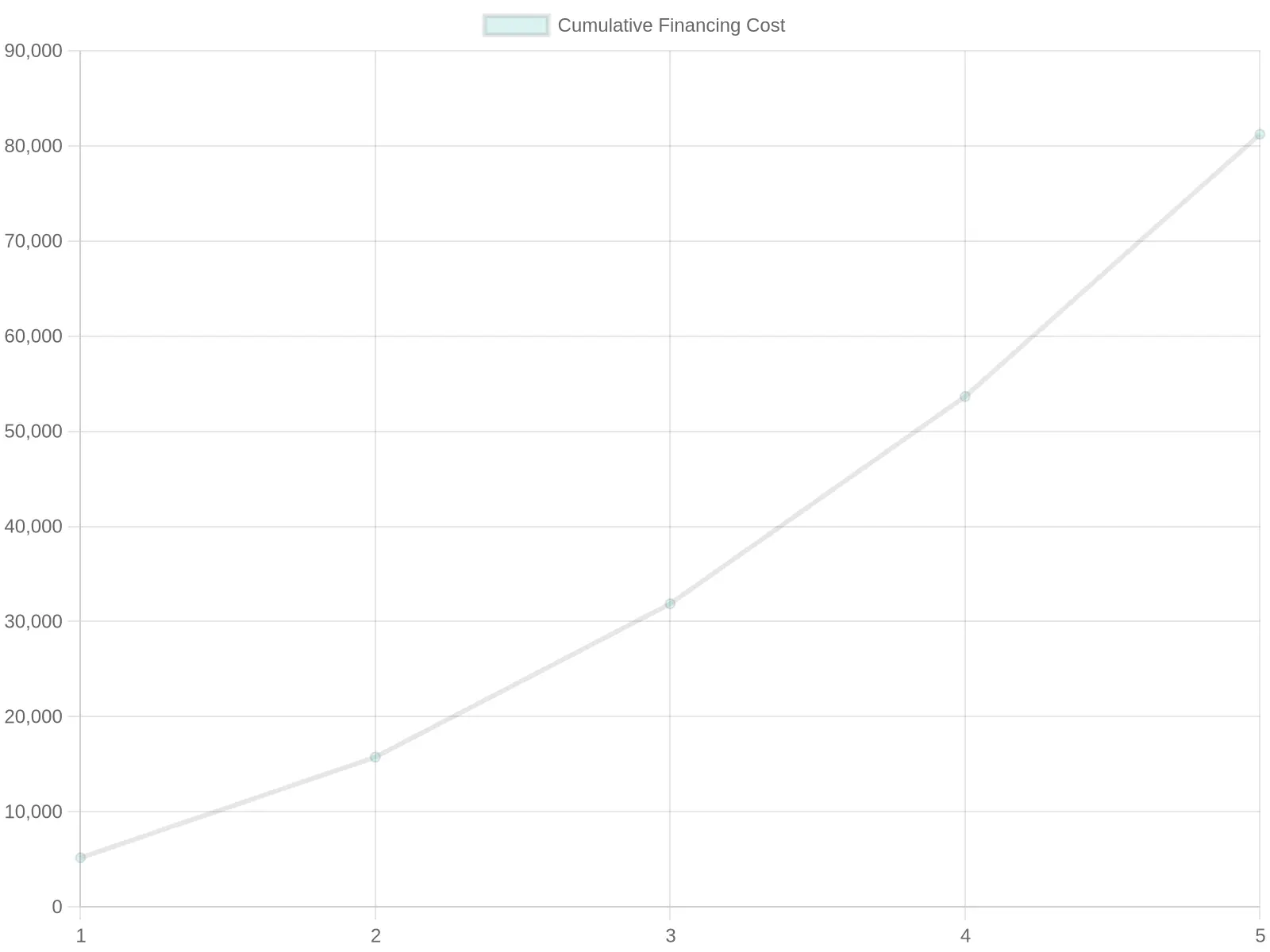
Savings from Cash vs. Financing Cars
The chart above illustrates the cumulative costs associated with financing a car versus paying cash over a five-year period:
- Cash Purchase: A straightforward approach where the buyer pays the entire amount upfront, thus avoiding any interest.
- Financing: Over five years at a 6% interest rate, financing results in significantly higher cumulative costs.
Cumulative Cost Comparison Table
| Year | Cash Purchase | Financing Cost at 6% | Cumulative Financing Cost |
|---|---|---|---|
| 1 | $25,000 | $5,170 | $5,170 |
| 2 | $25,000 | $10,584 | $15,754 |
| 3 | $25,000 | $16,121 | $31,875 |
| 4 | $25,000 | $21,782 | $53,657 |
| 5 | $25,000 | $27,569 | $81,226 |
For those considering vehicle purchases for their business, understanding these costs can be crucial. To explore further on the subject, check our guide on buying used cars for businesses. You can also review more about selling junk cars for cash for better business decisions if you need to liquidate assets.
In conclusion, purchasing cash cars presents numerous advantages for business owners seeking to make smart financial decisions. Not only does buying outright eliminate the burden of interest from loans, but it also allows for tax deductions when the vehicle is used for business purposes. By investing in cash cars, owners can strengthen their cash flow, maintain control over their assets, and benefit from better long-term value compared to leasing options. Furthermore, the flexibility that comes with owning a vehicle outright adds to its attractiveness. With various models available, such as used cars priced under $10,000 or reliable brands like Subaru and Acura, the investment becomes not just financially wise but practical. Learn more about purchasing used cars for your business and make a decision that aligns with your business goals today!