
The Importance of a Used Car Search for Business Owners
As a business owner, managing expenses efficiently is crucial to ensuring the sustainability and growth of your venture. One significant investment that often gets overlooked is the acquisition of a vehicle. Conducting a thorough search for a used car can yield substantial financial advantages, allowing business owners to make informed decisions that optimize their investments. In today’s dynamic marketplace, having reliable transportation is essential, whether it’s for delivering products, meeting clients, or running errands. Furthermore, purchasing a used vehicle can be a cost-effective alternative to buying new, ultimately freeing up capital for other critical business needs.
When considering a used car, it’s vital to research various makes and models, evaluate vehicle histories, and inspect options that align with your operational requirements. This process not only helps in avoiding potential pitfalls associated with buying a troublesome vehicle but also ensures that you’re making an investment that will meet your business demands without unnecessary expenses.
Understanding the current market trends and values can enhance your negotiation power, helping you secure a vehicle that delivers value without compromising on quality. Whether you’re a startup looking to establish a local presence or an established business aiming to expand your fleet, learning more about buying used cars for businesses is an essential step. Stay informed, and watch your business thrive as you navigate the used car market efficiently!
Key Benefits of Buying Used Cars for Businesses
Investing in used cars can provide numerous advantages for business owners. Here are some key benefits that highlight why purchasing pre-owned vehicles is becoming a favored choice:
-
Cost Savings: Used cars are generally 30-50% cheaper than new models, providing substantial savings upfront. This allows businesses to allocate resources towards other critical areas, enhancing overall profitability.
-
Depreciation Benefits: New cars can lose 20% of their value in the first year alone. By purchasing a used car, businesses avoid the steepest depreciation, with used vehicles depreciating more slowly, typically 15-18% per year after the first year. This strategic timing helps in maximizing the investment’s value over time. For more information about depreciation trends, view this report.
-
Reliability: Many used vehicles, particularly those with favorable reviews like the Toyota Land Cruiser and Honda Odyssey, can provide years of reliable service. Studies indicate that cars between three to five years old can have fewer breakdowns and lower repair costs than new cars.
-
Tax Advantages: Under IRS rules, businesses can depreciate the cost of used vehicles over time, reducing taxable income. This financial advantage allows businesses to offset their vehicle costs against profits, effectively lowering tax liability (IRS resource).
-
Total Cost of Ownership: Used vehicles often present a lower total cost of ownership (including insurance, maintenance, and depreciation) when compared to new cars. Investing in a reliable used car can improve cash flow for businesses, aiding in long-term profitability.
Conclusion
Adopting a strategy of purchasing used cars can bring significant financial and operational benefits for businesses. By considering factors such as cost savings, depreciation, and reliability, business owners can make informed decisions that positively impact their bottom line.
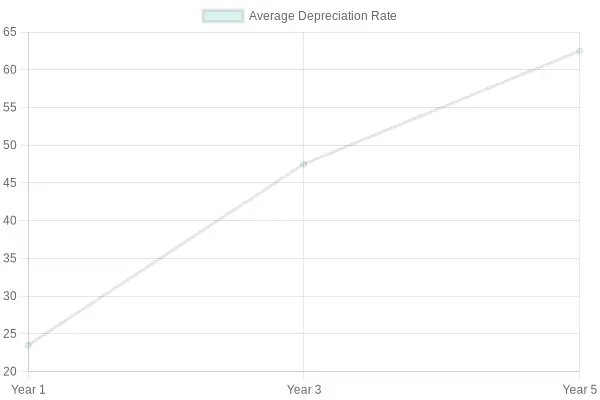
Chart showing average depreciation rates across several years, illustrating the best time for businesses to buy used cars.
Effective Strategies for Performing a Used Car Search
For business owners looking for used cars, the process can seem daunting. However, with the right strategies, you can streamline your search and ensure you find the best vehicle to meet your business needs. Here are some actionable insights:
1. Research Vehicle History
Before diving into potential purchases, it’s crucial to understand the vehicle’s history. Services like Carfax or AutoCheck provide comprehensive reports that include:
- Accident History: Check if the car has been in any serious accidents.
- Title Status: Ensure the vehicle’s title is clear and not salvaged.
- Number of Owners: A vehicle with fewer owners is often a better buy.
2. Compare Prices
Get familiar with the market value of the cars you are considering. Use online platforms like Edmunds or Kelley Blue Book to check the fair market price. Gather prices from multiple sellers and be wary of those that are significantly higher than average, as they might not offer value for money. Websites like Edmunds can provide you with valuable data for your research.
3. Set a Budget
Determine a budget that suits your financial capacity. Include not just the purchase price, but also additional costs such as taxes, registration, and potential repairs. Stick to this budget to avoid overspending.
4. Inspect the Car Thoroughly
Before finalizing your decision, inspect the vehicle thoroughly or hire a mechanic. Look for signs of wear and tear, check fluid levels, and test drive the car to assess its performance. This extra due diligence can save you from future headaches.
5. Negotiate Wisely
When you’ve identified a vehicle you want, don’t hesitate to negotiate. Use the data you’ve gathered about the car’s market value to justify your offer. Most sellers expect some negotiation, so coming prepared can often lead to a better deal. Aim for a price that is reasonable for both parties.
6. Utilize Online Resources
Many online platforms have emerged as reliable sources for buying used cars. Websites like CarMax provide an extensive range of vehicles with transparent pricing, which can help you make informed decisions.
7. Keep an Eye on New Listings
Used cars can go quickly, so it’s important to regularly check listings. Use apps and websites that alert you when new cars within your criteria are listed, allowing you to act fast.
By implementing these strategies, business owners can enhance their used car search, ensuring they make a smart purchase that aligns with their business needs.
Average Costs of Used Cars by Model and Year
For business owners searching for reliable used vehicles, knowing the average prices of popular models is crucial. Here’s a comparison table showcasing the average market prices for various used cars in 2023:
| Model | Year | Average Price (CNY) | Price Trend | Remarks |
|---|---|---|---|---|
| Tesla Model 3 | 2023 | 198,000 | Stable | Strong residual value and battery performance reports available. |
| Ford F-150 (Raptor) | 2023 | 720,800 | Flat | High demand for the latest model, especially in high-spec variants. |
| Honda Accord | 2023 | 146,000 | Declining | Significant discounts observed, approximately 10%-15% off due to competitive market. |
| Toyota Corolla | 2023 | 115,000 | Stable/Downward | Renowned for reliability and fuel efficiency; retains good value. |
| Chevrolet Silverado | 2023 | 325,000 | Increasing | Heavy-duty trucks remain popular; prices fluctuate based on market demand. |
Sources:
- Guazi Used Cars for Tesla Model 3, Honda Accord, Toyota Corolla prices.
- Ford Official & WardsAuto for Ford F-150 pricing.
- ZOL Online for Chevrolet Silverado details.
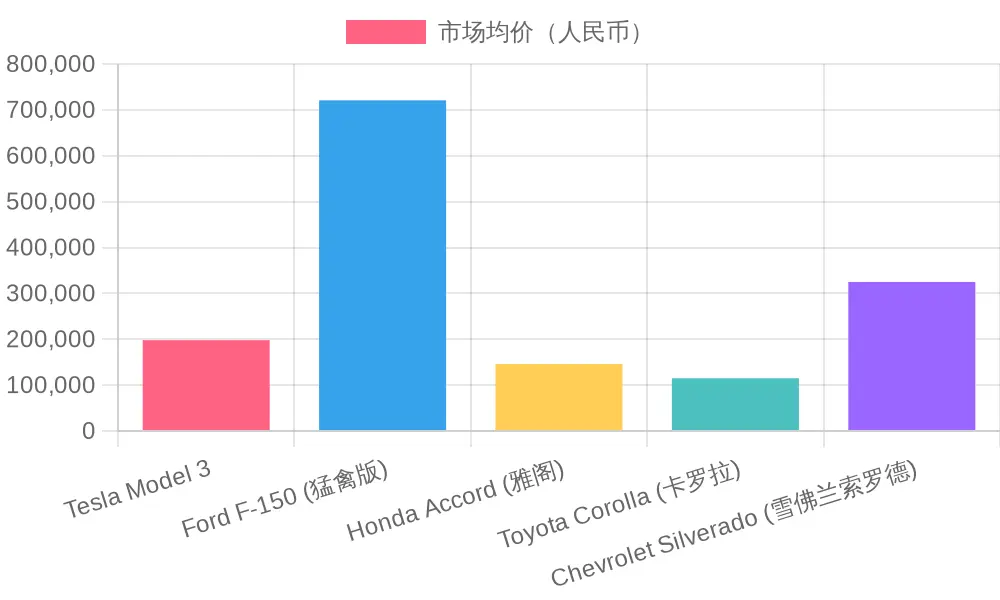
The chart above clearly demonstrates the average prices of these popular vehicles in 2023. This data can assist you in making informed decisions when considering purchasing used cars for your business needs. For additional resources and tips on selling or buying used cars, check out our guides on buying used cars for businesses and selling your junk car for cash.
Current Trends in the Used Car Market
The used car market has seen significant shifts in 2023, particularly in response to changing consumer preferences and economic conditions. For business owners looking to navigate this landscape, understanding these trends is crucial.
Key Market Insights
-
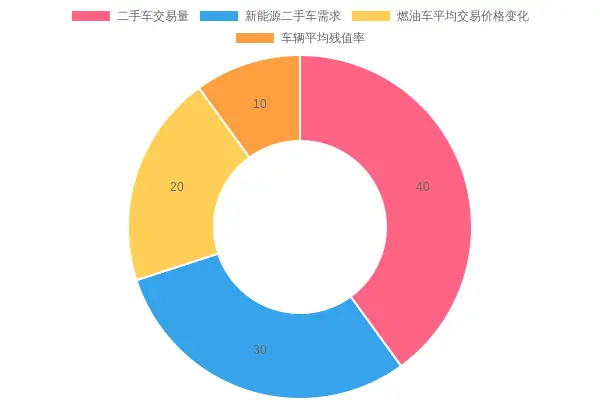
Transaction Volume Increase: The total used car transaction volume reached 18.41 million units, marking a year-on-year increase of 14.88%. This surge in activity can be attributed to a supply squeeze of new cars and a growing consumer base favoring used vehicles as a more cost-effective option.
-
Demand for New Energy Vehicles (NEVs): The market for used electric vehicles (EVs) has robust growth. In particular, NEVs accounted for a growing percentage of overall used car sales, increasing 55% compared to last year. Consumers are showing high interest in shorter-aged vehicles, with over 80% of NEV sales being for cars less than three years old.
-
Pricing Pressures: Despite the overall health of the used car market, pricing dynamics have shifted dramatically. The average transaction prices for gasoline vehicles have dropped, largely influenced by new vehicle price cuts, reducing their residual values significantly. In fact, the average residual value for a three-year-old gasoline vehicle dropped to a mere 38.2%. In contrast, used NEVs are seeing price reductions of over 20%, yet demand remains high, especially in the ¥100,000 to ¥200,000 ($14,000 to $28,000) price range.
-
Consumer Preferences: There is a clear shift towards higher-end used vehicles. Demand for medium to large SUVs has surged, with these models making up a substantial 62% of the NEV market share. Conversely, traditional gasoline vehicles are mainly sought after in the lower price brackets, particularly below ¥150,000.
-
Inventory and Supply Chains: Businesses in the used car sector are experiencing increased inventory pressures, with average stock cycles reaching 61 days as of August. Some dealers report cycles extending beyond 90 days, which might require adjusting purchasing and sales strategies to alleviate excess inventory.
Conclusion
Understanding the nuances of the current used car market is essential for business owners, especially given factors such as demand fluctuations and intense pricing competition. For more specific strategies on optimizing used car sales, consider visiting our detailed articles on buying used cars for businesses and selling your junk car for cash.
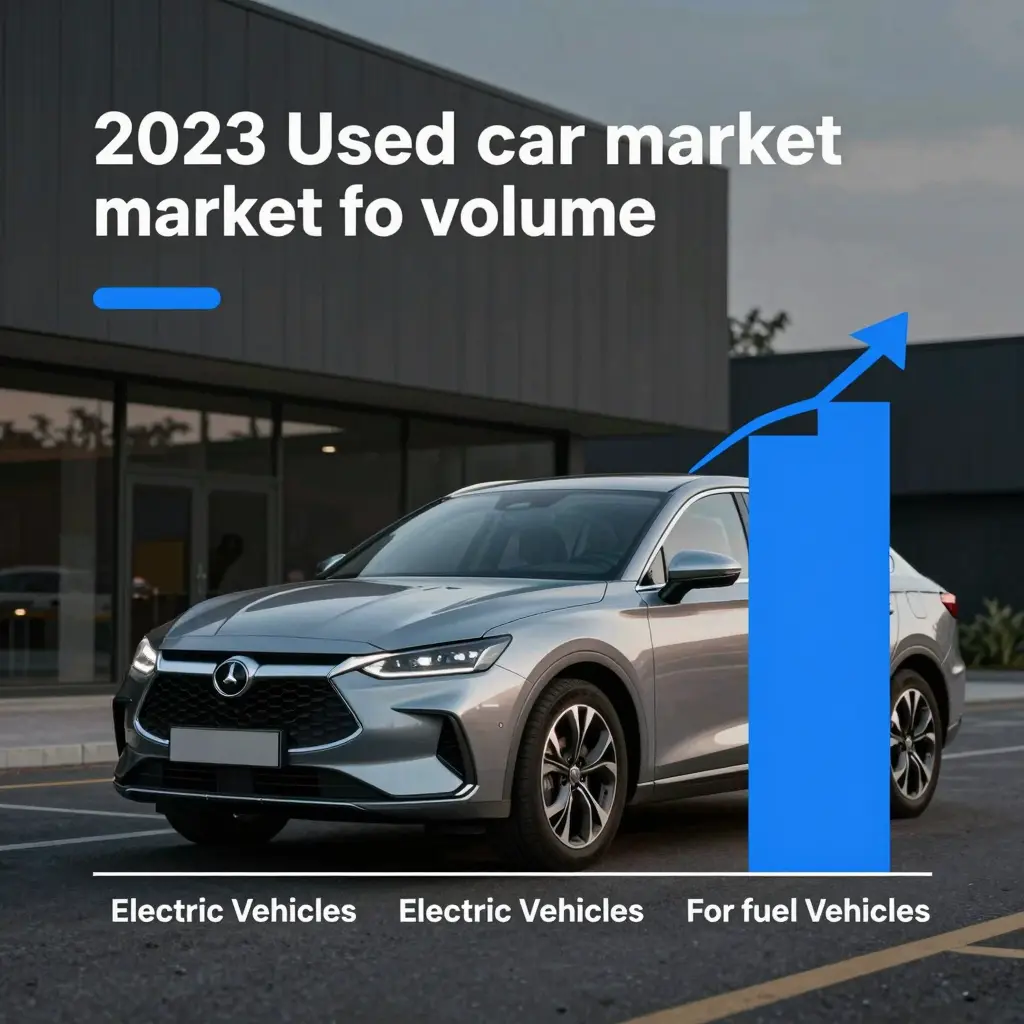
Additionally, here’s a chart visualizing these market trends.
Common Pitfalls in a Used Car Search for Business Owners
When business owners embark on the journey of purchasing used cars, they often encounter several common pitfalls that can lead to costly mistakes. Recognizing these mistakes in advance can save time, money, and potential headaches. Here are some of the prevalent errors and how to avoid them:
1. Skipping Mechanical Inspections
One of the most significant blunders is neglecting to have a mechanical inspection done before the purchase. Many business owners might trust the dealer’s word about the vehicle’s condition. However, this can lead to overlooking serious issues. According to Edmunds, it’s crucial for business owners to invest in a thorough pre-purchase mechanical inspection, typically costing between $100 to $200. If a dealer refuses to allow an inspection, this should raise a red flag.
2. Ignoring Vehicle History Reports
Failing to check the vehicle history can result in buying cars that have been in significant accidents or have a flood history. Always obtain a vehicle history report such as Carfax or AutoCheck to uncover any hidden issues related to the vehicle’s past.
3. Overlooking Document Verification
Business owners should verify the vehicle’s registration and ensure that it is free of liens or significant legal issues. Ensuring that all documentation is accurate can prevent future legal complications. Documentation should include:
- Title History
- Registration Certificates
- Maintenance Logs
4. Choosing Based Solely on Price
While it can be tempting to go for the lowest price, selecting a vehicle based on cost alone can lead to additional long-term expenses. Vehicles that are priced significantly below comparable market rates often have hidden issues. Trustworthy dealers will price their vehicles appropriately, so beware of low-priced vehicles often referred to as ‘bait cars.’
5. Neglecting to Test Drive
A comprehensive test drive can reveal much about the car’s condition. Business owners should take the car on various road types and pay attention to how it performs under different conditions. Any unusual noises or handling issues should be taken seriously.
Conclusion
By avoiding these common pitfalls, business owners can enhance their chances of securing a reliable used car that meets their business needs. For more detailed insights, you can check our guide on buying used cars for businesses.
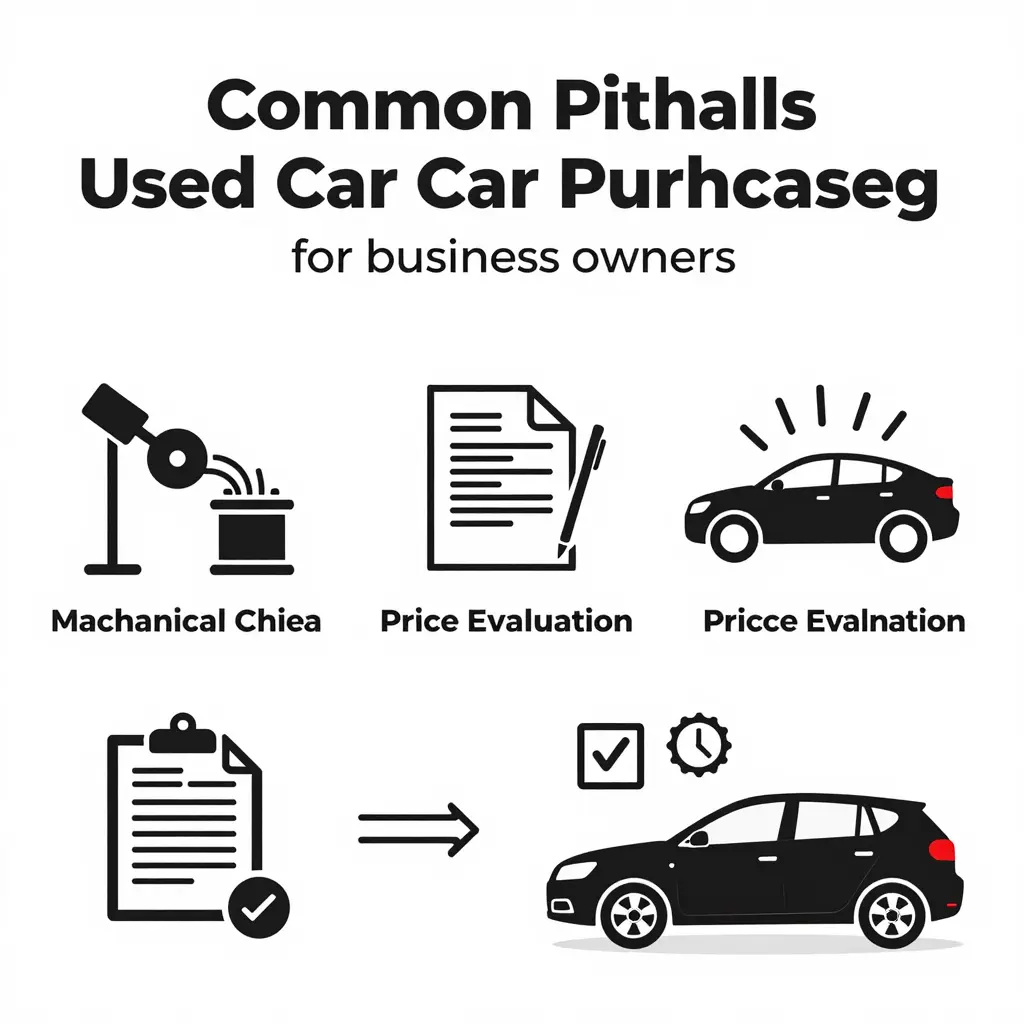
Data insights into the common mistakes made by business owners when purchasing used cars for their operations are essential to better planning for successful acquisitions.

Purchasing a used car is a significant financial decision that requires thorough research. As noted by automotive analyst Mark Thompson of Consumer Reports,
“A car isn’t just a mode of transportation-it’s a long-term financial commitment. Always research the model’s long-term reliability, fuel economy, insurance costs, and parts availability before you even visit a dealership. Use our free vehicle reliability index and ownership cost calculator to compare models objectively.”
This emphasizes the importance of understanding not only the price but also the total cost of ownership over time, which is crucial for business owners looking to invest wisely in their fleets. For detailed guidance on purchasing used cars, check out our resources on buying used cars for businesses.
Depreciation Rates of Used Cars Over Time
Understanding the depreciation rates of various makes and models is crucial for any business owner considering the purchase of used vehicles. The following data illustrates how different cars depreciate over the first three years of ownership:
Depreciation Chart
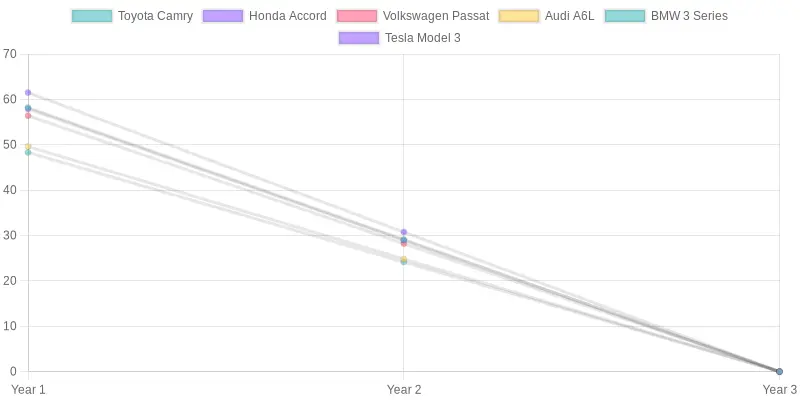
In the chart above, you’ll find data on popular models:
- Toyota Camry: 58.2% depreciation in year 1
- Honda Accord: 57.9% depreciation in year 1
- Volkswagen Passat: 56.4% depreciation in year 1
- Audi A6L: 49.6% depreciation in year 1
- BMW 3 Series: 48.3% depreciation in year 1
- Tesla Model 3: 61.5% depreciation in year 1
Summary of Findings
These figures demonstrate significant depreciation in the first year, which represents a major consideration for business owners planning to invest in used cars. Notably, the Tesla Model 3 has shown the best retention of value, indicating a growing market for electric vehicles.
For more insights on selecting used cars for businesses, check out the ultimate guide to buying used cars for businesses.
Conclusion: The Significance of a Thorough Used Car Search for Business Owners
In conclusion, conducting a thorough search for used cars is paramount for business owners looking to make sound investments for their enterprises. Throughout this article, we’ve explored the myriad reasons why an informed approach can lead to significant benefits, both short-term and long-term.
First and foremost, a meticulous used car search ensures that vehicles meet the specific operational needs of a business. Evaluating factors such as cargo capacity, fuel efficiency, and reliability helps to find a vehicle that minimizes downtime and aligns well with daily operational demands. As highlighted in the CarGurus Blog, overlooking these aspects can lead to costly repair bills, which can impact profit margins and operational effectiveness.
Additionally, buying used vehicles allows for financial advantages that help businesses thrive in competitive markets. Used cars generally come with lower purchase prices, slower depreciation rates, and opportunities for tax deductions, as noted by the IRS. This not only conserves capital but also allows businesses to channel funds into other crucial areas, such as marketing and innovation. Furthermore, robust due diligence, including vehicle history reports and mechanic inspections, can save business owners from unforeseen expenses that can disrupt operations or tarnish their brand reputation.
As we have seen, a thorough used car search can significantly enhance fleet management and operational efficiency. Business owners must prioritize careful planning and research to ensure that their vehicle purchases yield the best possible returns. If you are considering purchasing a used car for your business, we invite you to explore our services at Junk Cars King to help you find the right vehicle that fits your needs and budget. Embrace the power of informed decision-making and make the most of your investments!