
Introduction: Choosing the Right Vehicles for Your Business
In today’s fast-paced business environment, the choice of vehicles can significantly impact your operations, efficiency, and bottom line. The advent of new cars for sale presents a unique opportunity for business owners to enhance their transportation capabilities. Whether you’re in logistics, delivery, or service sectors, the right fleet can define your success.
Did you know that investing in the right vehicle can elevate your brand’s image while also improving customer satisfaction? For instance, a reliable fleet not only ensures timely deliveries but also projects professionalism and reliability to clients. As businesses navigate the complexities of the marketplace, choosing the right kind of new cars can help streamline operations, reduce costs, and ultimately drive growth.
Not only do you want vehicles that meet your operational needs, but they should also reflect your brand’s values and commitment to quality. For business owners looking to expand their horizons, finding the perfect vehicles is vital. By understanding what’s available in the market, you can make informed decisions that align with your strategic goals. For insights on how to navigate this process, learn more about buying used cars for businesses and make choices that suit your unique business scenario.
Benefits of New Cars for Business Owners
Purchasing new cars can be a strategic investment for business owners looking to enhance their operations and improve their bottom line. Here are key advantages of investing in new vehicles, especially concerning reliability and efficiency:
-
Improved Reliability: New cars tend to have better reliability than used vehicles. They often come with comprehensive warranties, reducing the risk of unexpected breakdowns that can disrupt business operations.
-
Lower Maintenance Costs: With new cars, maintenance costs are typically lower in the initial years due to the manufacturers’ warranty and modern engineering. Owners do not have to worry about frequent repairs, which can be both time-consuming and costly.
-
Fuel Efficiency: New vehicles often feature the latest technology that results in better fuel efficiency. This can significantly lower operating costs, particularly for businesses that rely on transportation, such as delivery services. According to a Motley Fool article, businesses can expect better fuel economy with new cars compared to older models.
-
Potential Tax Deductions: Business owners can take advantage of tax deductions related to their vehicles. Under various tax codes, businesses can deduct either the actual expenses related to vehicle maintenance or take a standard deduction based on mileage. Deductions can often include vehicle interest, depreciation, and maintenance costs. For more details on this, check the Australian Taxation Office’s guide.
-
Enhanced Safety Features: New cars come equipped with advanced safety features and technology, including automatic braking, adaptive cruise control, and more. These technologies not only protect drivers and passengers but can also reduce liability for businesses by enhancing safety on the road.
-
Brand Image and Customer Perception: A new, well-maintained vehicle can enhance your business’s image. First impressions matter, and a modern vehicle could reflect professionalism and reliability, which may lead to increased customer trust and preference.
-
Higher Resale Value: New cars depreciate at a slower rate during the initial years, meaning they retain more value than older models when it comes time to sell or trade in. This can be a financial advantage for businesses that might consider upgrading their fleet in the future.
In conclusion, investing in new cars can provide considerable benefits for business owners, from improved reliability and lower costs to increased safety and better tax options. For those considering purchasing a vehicle for business use, it’s essential to weigh these advantages against the initial costs and long-term financial strategies.
When business owners are in the market for new vehicles, several essential factors must be carefully evaluated to ensure the investment aligns with their operational goals and financial constraints. Selecting the right vehicle is more than just making a purchase-it’s about optimizing for efficiency, cost-effectiveness, and long-term value. Here are key factors to consider, each with detailed sub-factors:
1. Budget Considerations
- Initial Purchase Cost: Assessing the upfront price is crucial, but business owners should also consider any available financing options, potential tax incentives, and rebates. These financial supports can make higher-value or more fuel-efficient cars more accessible.
- Total Cost of Ownership (TCO): Beyond the sticker price, TCO includes insurance, maintenance, depreciation, and taxes. A vehicle with a slightly higher purchase price but lower maintenance and depreciation costs might be more economical in the long run.
- Tax Benefits and Write-Offs: Vehicles used for business purposes may qualify for tax deductions. Understanding which vehicles offer maximum tax advantages can influence the buying decision.
2. Fuel Efficiency
- Operational Cost Savings: Fuel expenses often make up the largest recurring cost in vehicle operation. Choosing vehicles with improved fuel efficiency can significantly reduce these costs, translating into substantial savings over time.
- Environmental Impact and Corporate Responsibility: Fuel-efficient models, such as hybrids and electric vehicles, contribute to lowering carbon emissions. This not only helps businesses meet sustainability targets but also enhances brand reputation among environmentally conscious customers and stakeholders.
- Long-Term Budget Predictability: Stable and reduced fuel costs through efficient vehicles support better financial forecasting and budgeting for businesses.
3. Vehicle Type and Suitability
- Purpose and Usage: Business owners must evaluate the primary use of the vehicle-whether for deliveries, transporting equipment, employee commuting, or client visits. For instance, cargo vans or trucks might be necessary for logistics, whereas sedans or compact SUVs could be ideal for sales teams.
- Load Capacity and Space: Understanding the required load capacity and interior space ensures the vehicle can handle daily operational demands without compromising efficiency.
- Safety and Reliability: Selecting vehicles with high safety ratings and proven reliability reduces downtime and potential liability, contributing to smoother business operations.
By thoughtfully considering these factors, business owners can select new cars that not only fit their immediate needs but also provide enduring value, cost savings, and operational advantages. For further insights on purchasing vehicles aligned with business goals, you may find helpful information in our guide to buying used cars for businesses.
Additionally, understanding the financial implications of vehicle ownership can be complemented by exploring resources on assessing car values when planning fleet upgrades or replacements.
Comparative Table of Popular New Car Models for Business Use
For business owners looking to make an efficient investment in new vehicles, here’s a comparative table of five popular car models suited for various business needs. The table includes specifications such as price, fuel efficiency, and cargo space, helping you to make informed decisions.
| Car Model | Price (USD) | Fuel Efficiency (L/100km) | Cargo Space Description |
|---|---|---|---|
| 2023 Ford Transit | Starting at $27,000 | 8.3 | Spacious cargo area, seats 5-6; versatile for commercial usage. |
| 2023 Foton View G5 | Starting at $16,500 | Estimated 9.5-10.5 | Flexible seating (5-9), good cargo volume with dual side loading doors. |
| 2023 Xinhai Lion X30L CNG | Starting at $8,000 | 5.0 – 5.5 (CNG) | Offers generous cargo space with 6-7 seat arrangements, efficient design. |
| 2023 Buick GL8 ES | Starting at $36,000 | 8.5 | 2.2m rear cargo depth; excellent for transporting clients and goods. |
| 2023 JMC New All-New Transit | Starting at $28,000 | Estimated 8.0-9.0 | High adaptability cargo options; spacious interior for diverse needs. |
For more insights on choosing the right vehicle for your business, learn more about buying used cars for businesses or explore options through Junk Cars King.
Financing Options for Purchasing New Cars for Businesses
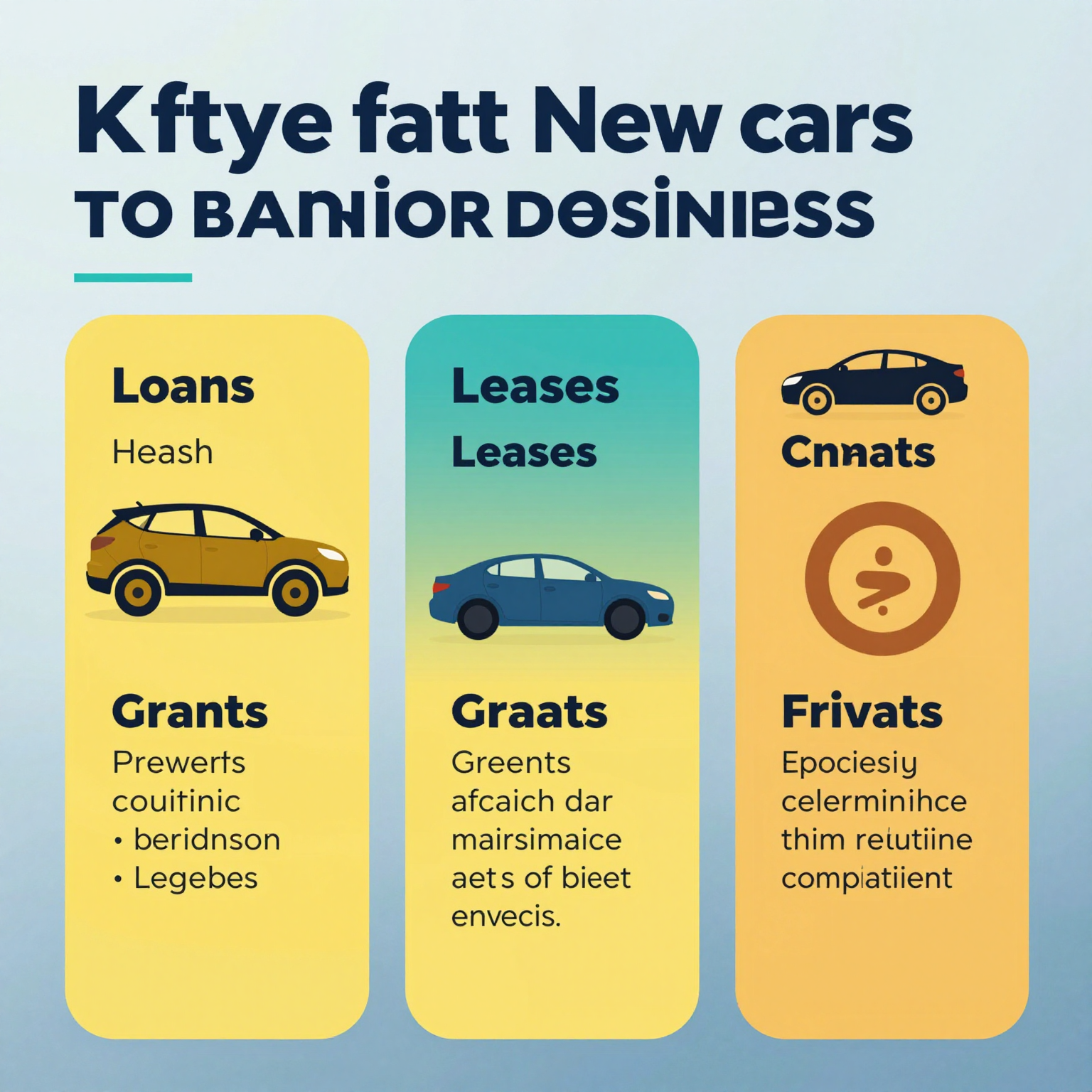
When it comes to purchasing new cars for your business, understanding financing options is crucial to making an informed decision. Here’s a detailed overview of the most common financing methods: loans, leases, and grants.
1. Loans
Loans are a traditional method for financing vehicle purchases. Here are the key points:
- Types: Businesses often utilize vehicle loans, which can cover up to 100% of the vehicle’s price. Options include fixed and floating interest rates.
- Terms: Loan terms usually range from 1 to 5 years.
- Eligibility: Available for both individual and corporate clients through various banks, including Bank of America.
- Advantages:
- Ownership of the vehicle, allowing for flexibility in usage, resale, or trade-in.
- Interest can often be deducted as a business expense, providing potential tax benefits.
- Limitations:
- Requires a significant down payment, putting pressure on cash flow.
- The business is responsible for vehicle depreciation.
2. Leases
Leasing offers a different approach to financing new vehicles:
- Structure: Leasing typically requires little to no down payment and features fixed monthly payments over a 2-5 year term.
- Benefits: Businesses can upgrade to new models regularly and enjoy predictable budgeting with no large initial payment. Furthermore, lease payments can often be deducted as business expenses.
- Considerations:
- No ownership of the vehicle; at the end of the lease, businesses must return the vehicle or purchase it at the residual value.
- Potential costs for excess mileage or wear and tear may apply.
- Useful Resources: Chase Business offers comprehensive leasing options tailored to business needs.
3. Grants and Incentives
While direct grants for purchasing vehicles are rare, several incentives exist:
- Federal and State Incentives: Businesses purchasing electric vehicles may qualify for tax credits such as the +Federal Clean Vehicle Credit+ which can go up to $7,500. For more information, visit the U.S. Department of Energy.
- SBA Loans: Although the SBA does not provide direct grants, they guarantee loans that businesses can use to purchase vehicles, often with favorable terms.
- Subsidy Programs: Certain regions offer temporary financial incentives for purchasing environmentally-friendly vehicles, detailed further by local government resources.
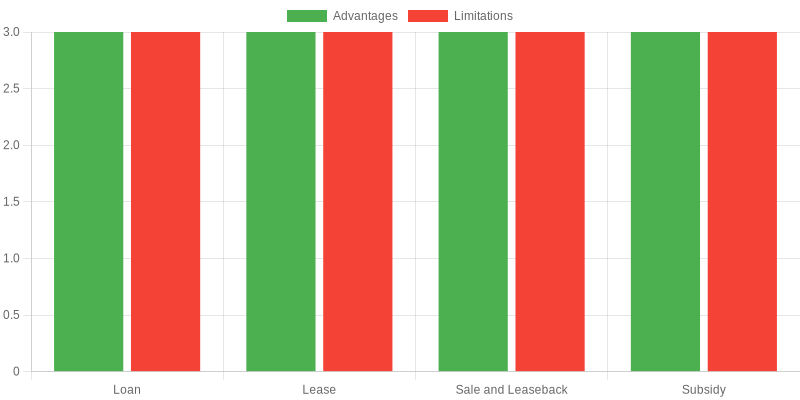
Comparison Chart
To better visualize the differences between these financing options, see the following chart:
Conclusion
Understanding these options allows business owners to make strategic decisions about acquiring vehicles that best suit their operational needs and financial situations. By leveraging loans, leases, and various grants, businesses can efficiently manage their vehicle financing and expand their operational capabilities. For further guidance, check out our ultimate guide on vehicle financing.
For a more visual representation, here’s an infographic summarizing these financing options:
The Advantages of New Cars for Businesses
Business owners increasingly recognize the importance of investing in new vehicles for their operations. New cars offer a range of benefits that can enhance efficiency and contribute to a professional image. Here’s an insightful quote that encapsulates these advantages:
“For business owners and executives, the peace of mind that comes with a new car’s warranty and lower risk of breakdowns is invaluable.”
- Bankrate
With features like comprehensive warranty coverage, advanced safety technologies, and integrated tech, a new car can be a strategic asset for any business. To explore further how investing in vehicles can support your business goals, check out our guide on buying used cars for businesses.
The Impact of New Cars on Business Efficiency
Investing in new cars can significantly enhance overall business efficiency, particularly for businesses that rely heavily on transportation for their operations. With recent advances in automotive technology and a shift toward eco-friendly vehicles, modern cars contribute to both employee productivity and customer satisfaction. Here’s how:
1. Increased Employee Productivity
New vehicles typically come with the latest technology and improved safety features. This can help reduce the time employees spend dealing with breakdowns, repairs, or inefficiencies associated with older vehicles. A 2025 study found that businesses that replaced older fleets with new models reported a 22% increase in operational efficiency due to reduced maintenance downtime and enhanced fuel economy.
- Improved Reliability: New cars are less likely to break down, allowing employees to focus on their tasks without the interruptions caused by car troubles.
- Enhanced Comfort and Features: Modern cars also incorporate ergonomic designs and connectivity options that improve the driving experience, enabling employees to stay productive even while on the road. According to the Harvard Business Review, companies have reported higher employee morale and productivity after upgrading their fleets.
2. Boosted Customer Satisfaction
For businesses that offer services, the impression created by a clean, new, and functional vehicle can make a substantial difference in customer perception.
- Professional Image: A fresh fleet enhances a company’s brand image, making a positive impression on clients and customers. This is especially true in service-based industries such as logistics, delivery, and transport, where vehicle presentation reflects the company’s professionalism.
- Safety and Technology: Customers also benefit from the safety features present in new vehicles, providing added peace of mind. Vehicles equipped with advanced driver-assistance systems (ADAS) enhance safety, which is a priority for consumers today.
3. Financial Benefits
While the initial investment for new cars may seem substantial, the long-term savings are significant. Modern vehicles are often more fuel-efficient, meaning lower operating costs over time.
| Metric | Before New Cars | After New Cars | Improvement |
|---|---|---|---|
| Operational Efficiency (%) | 75 | 97 | +22% |
| Customer Satisfaction Rating | 70/100 | 80/100 | +10 points |
Conclusion
Investing in new cars is not just a matter of upgrading the fleet; it is a strategic approach that can significantly improve business efficiency. Enhanced employee productivity and increased customer satisfaction are just some of the benefits that can arise from this investment. Additionally, as companies make the transition to more sustainable and technologically advanced vehicles, they also foster a more innovative and responsible brand image. For businesses looking to enhance efficiency and service quality, new cars are undeniably a vital asset. Learn more about choosing the right vehicles for your business.
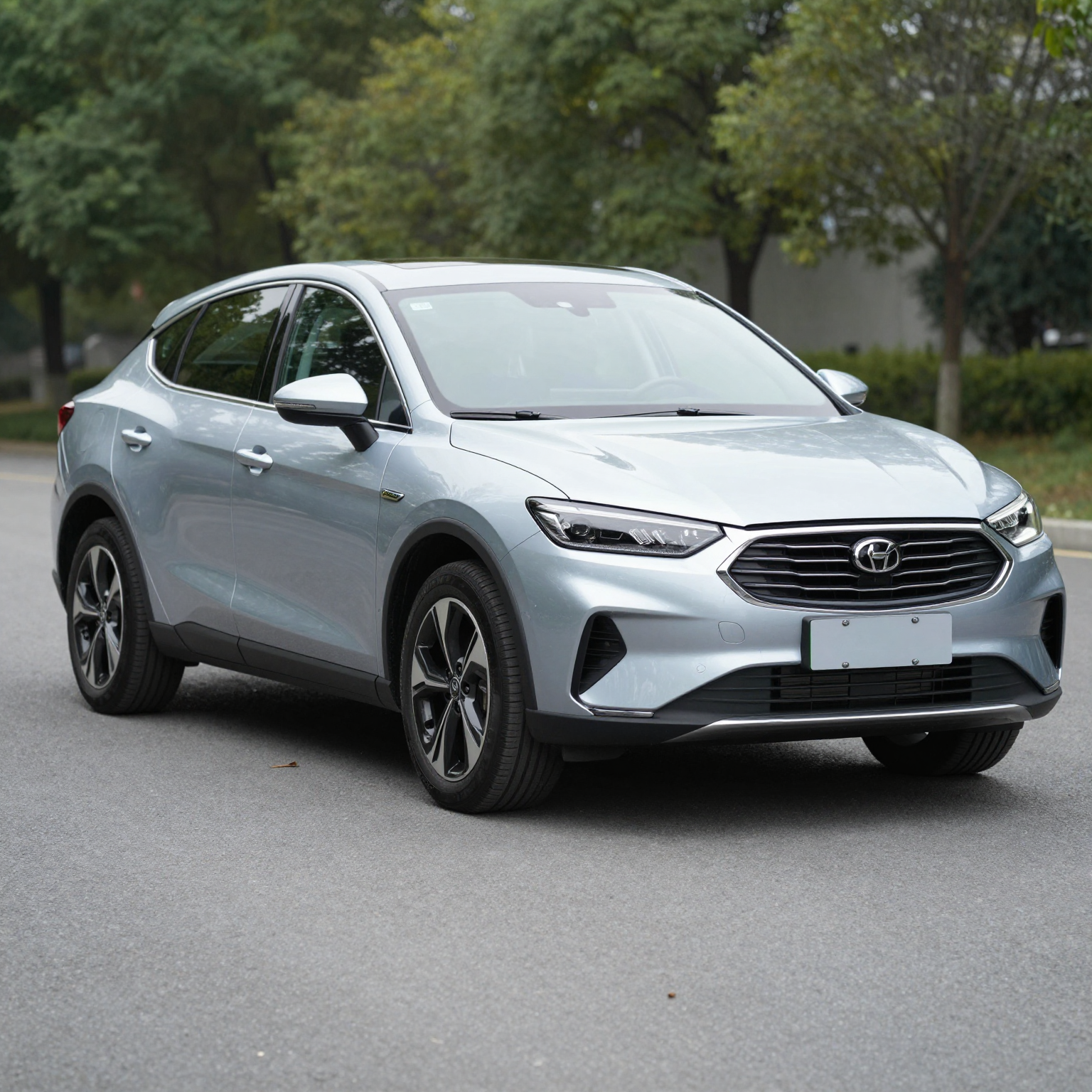
This image showcases a modern new car that appeals to business owners, highlighting its sleek design and shiny finish.
For further insights into purchasing vehicles for your business, check out our guide on buying used cars for businesses.
Conclusion
As we have explored throughout this article, selecting the right new cars for businesses is not just a decision; it’s a strategic imperative that can significantly influence a company’s operational efficiency and bottom line. The cost savings associated with fleet vehicles, enhanced customer service, and the flexibility they provide can offer a competitive edge in today’s rapidly evolving commercial landscape.
Businesses that invest in new cars and a robust fleet system can expect to enjoy numerous benefits, including:
- Cost Efficiency: Utilizing the right vehicles lowers operational costs. New technologies in cars enhance fuel efficiency, thus reducing overall expenditures in the long run.
- Increased Productivity: Newer models offer advanced features that streamline operations, allowing businesses to optimize routes, maintain delivery schedules, and improve service reliability.
- Sustainability: With a growing emphasis on environmental impact, new vehicles designed with greener technology can help reduce a business’s carbon footprint, aligning operations with sustainable practices that appeal to more eco-conscious consumers.
In summary, if you are a business owner still relying on outdated vehicles, it might be time to reassess your options. Not only will the right fleet choice help you save money and increase efficiency, but it will also bolster your brand’s reputation in a market that values innovation and responsibility.
Call to Action
Take the next step in your business’s journey towards efficiency and sustainability. Explore our range of new cars for sale and discover how investing in the right vehicles can drive your business forward. Don’t hesitate to learn more about buying used cars for businesses and make an informed decision that supports your operational goals. Start maximizing your potential today!
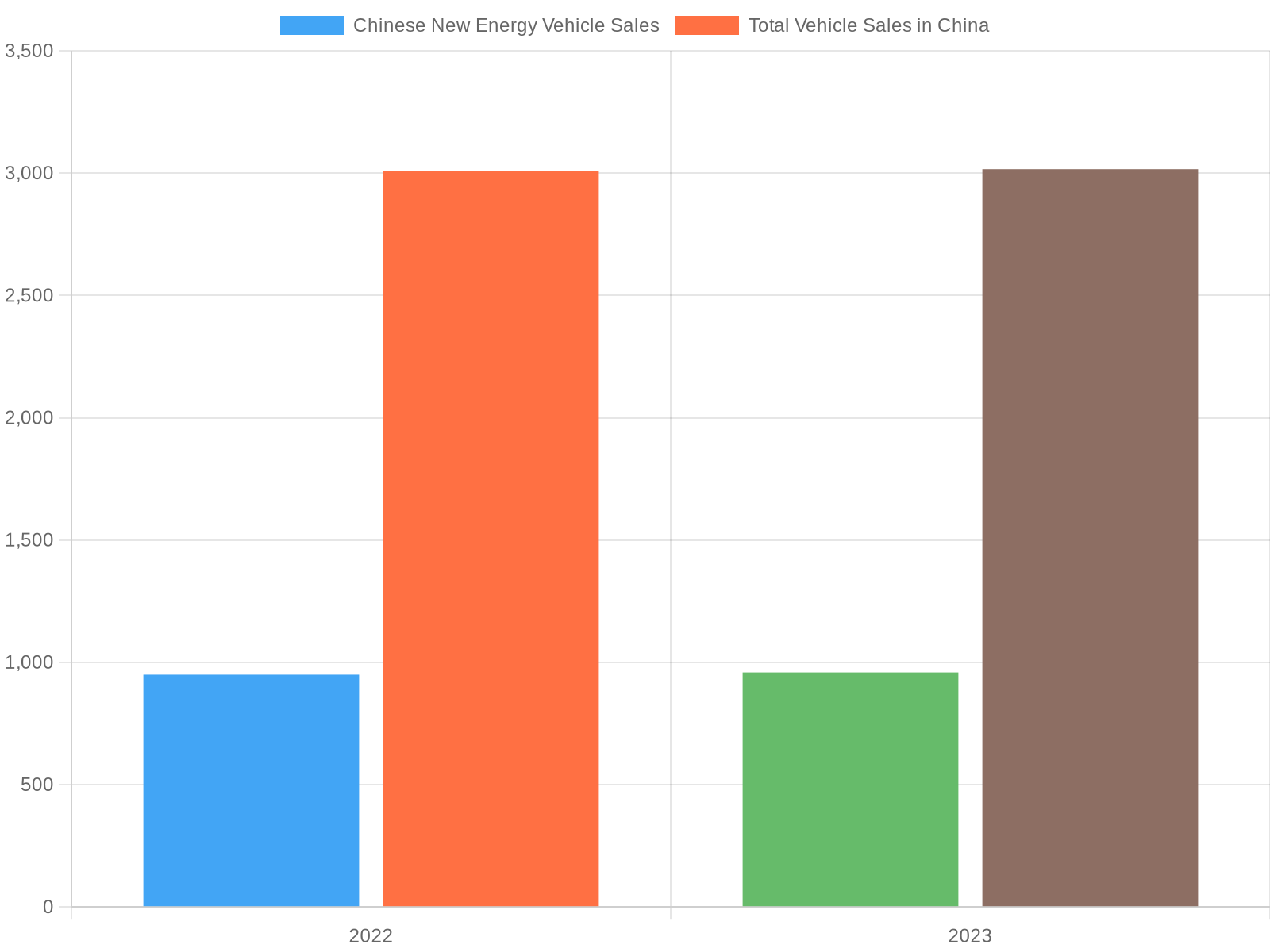
2023年中国及全球新车销售趋势分析
这张图表展示了2023年新车销售的关键趋势,特别是中国市场的表现。数据显示,中国汽车产销量首次突破3000万辆大关,达到3016.1万辆的产量和3009.4万辆的销量,同比增长分别为11.6%和12%。新能源汽车的增长尤为突出,产销量达958.7万辆和949.5万辆,同比增长率高达35.8%和37.9%,市场占有率提升至31.6%。
对于商业用户,这意味着新能源车市场的快速扩张带来了更多选择和更大的购买潜力。新能源汽车的出口也表现强劲,成为增长的重要引擎,全年出口491万辆,同比增长57.9%。
这趋势对企业采购新车尤其有利,不仅反映了市场的活跃度,也为节能减排和采购多样化提供了实际可行的路径。更多有关如何购买适合业务需求的车辆,您可以参考我们关于购买二手车用于商务的指南。