
In today’s dynamic business environment, every decision counts, especially when it comes to managing expenses. For business owners seeking to optimize their financial strategies, exploring used car specials presents a compelling opportunity. These specials not only offer significant savings-often ranging between 30% to 50% off the MSRP of new cars-but also provide the practical flexibility businesses need to thrive.
Imagine a startup that needs reliable transportation for deliveries or client visits. With vehicle prices on the rise, the smarter move would be to invest in used cars, which have already experienced the steepest depreciation. This translates into minimal resale losses, freeing up valuable capital that can be reinvested in core operations. Additionally, used cars usually come with lower insurance premiums and reduced taxes, effectively maximizing the return on investment.
Choosing used cars is not merely about saving money; it’s a strategic decision that enables business owners to focus on growth without the burden of excessive upfront costs. For more insights into effectively navigating the used car market, check out our ultimate guide for buying used cars for businesses and learn how these specials can transform your fleet into a more cost-effective solution.
Benefits of Purchasing Used Cars for Businesses
Purchasing used cars for your business can offer numerous advantages, particularly in terms of cost savings, reliability, and depreciation considerations. Here are some key benefits:
- Reduced Upfront Costs: Used cars are significantly cheaper than new vehicles, allowing businesses to acquire more vehicles within their budget without sacrificing quality.
- Minimized Depreciation: New cars lose up to 20% of their value in the first year. In contrast, used cars experience much slower depreciation, preserving your investment longer (learn more about depreciation).
- Lower Insurance Premiums: Used vehicles often come with lower insurance costs, further saving money for the business.
- Proven Reliability: Many used cars, particularly well-maintained brands, can perform reliably for hundreds of thousands of miles, reducing the likelihood of breakdowns (discover reliable models).
- Tax Benefits: Buying used cars enables businesses to classify them as fixed assets. This allows for tax deductions on expenses such as fuel, repairs, and depreciation, ultimately improving cash flow.
These benefits can create significant long-term savings and operational efficiencies for your business.
Market Trends in Used Car Sales 2023
In 2023, the used car market has demonstrated significant growth, providing numerous opportunities for business owners. As the market continues to recover and evolve from the impacts of the pandemic, several trends are emerging that are crucial for navigating this landscape.
Key Statistics
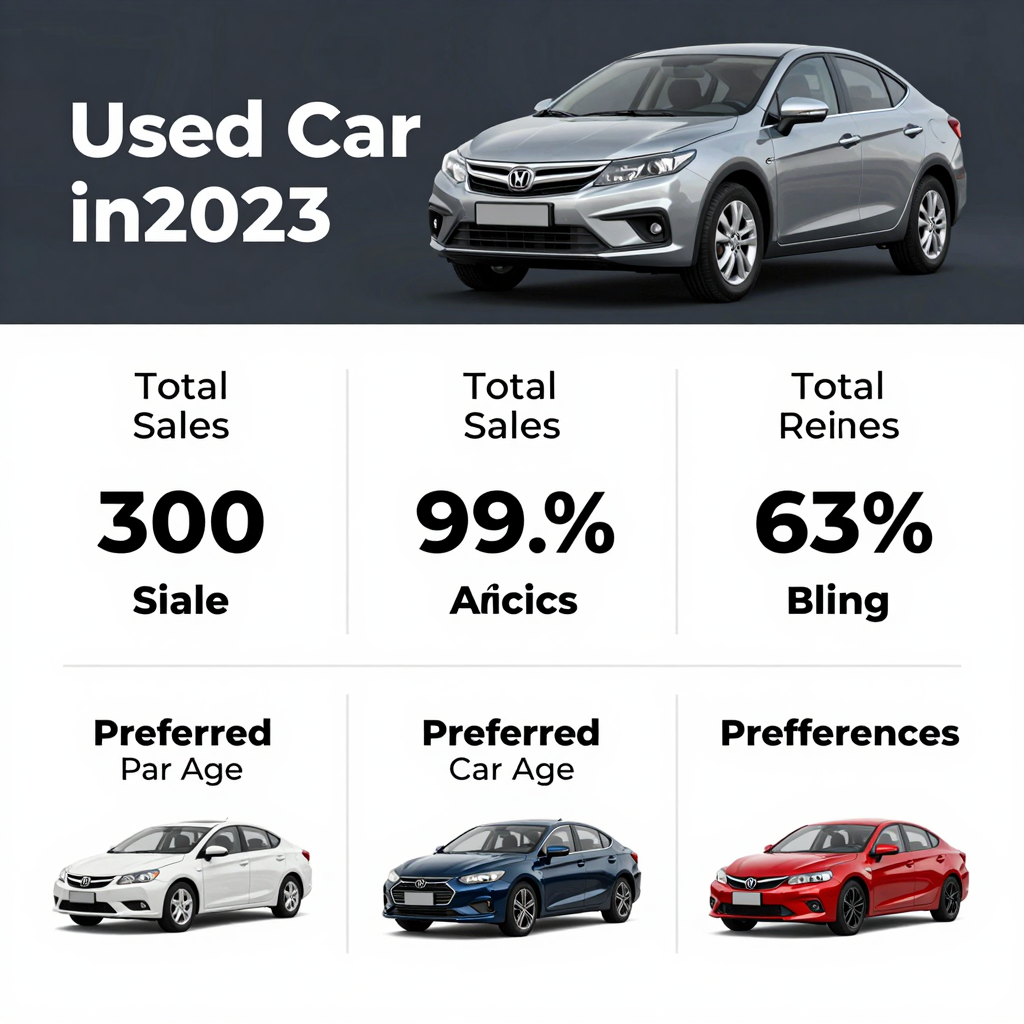
- Total Sales Volume: 18.41 million used cars were sold, marking a year-on-year increase of 14.88%.
- Sales Revenue: The total transaction amount reached 1,179.53 billion yuan, showcasing robust market activity.
- Average Price: In December 2023, the average pricing for used cars was approximately 65,500 yuan, up by 700 yuan from the previous month.
- Preferred Car Age: Cars aged 3-6 years accounted for 43.54% of transactions, indicating a strong preference for moderately aged vehicles.
- Buyer Preferences: Around 70% of transactions involved cars priced below 80,000 yuan, highlighting the price sensitivity of consumers.
Insights into Buyer Preferences
- Fuel Type Priorities: Traditional combustion engine vehicles remain popular, especially in the sub-80,000 yuan segment, attracting more than half of all buyers. Meanwhile, electric vehicles (EVs) have rapidly gained traction, particularly in the mid-range price categories.
- Market Dynamics: The increased mobility and cross-regional transactions (with a transfer rate of 27.25%) signal a vibrant ecosystem, allowing businesses to cater to diverse consumer needs.
Conclusion
The current landscape of the used car market is thriving, driven by changing consumer preferences and strong sales growth. Business owners should focus on the segments that are witnessing the highest demand, adapt strategies to meet buyer expectations, and capitalize on the upward trends in vehicle sales. For further information on effectively selling cars, you can learn more about selling junk cars for cash.

For more insights on buying used cars for businesses, check out our detailed guide: buying used cars for businesses.
Comparing Popular Used Cars for Businesses
When it comes to finding the perfect used car for your business, considerations like price range, fuel efficiency, and reliability are essential. Below is a comparison table of three popular makes and models that are frequently recommended for business use:
| Vehicle Model | Price Range (CNY) | Fuel Efficiency (L/100km) | Reliability Rating |
|---|---|---|---|
| Ford Transit | ~21,120 | 7.4 | High |
| Great Wall Poer | 99,800 – 135,800 | Not specified | High |
| BYD T5DM | Not specified | High efficiency | High |
These vehicles are selected based on their performance, cost-effectiveness, and overall reliability for business-related activities. If you’re interested in learning more about how to purchase used cars for business purposes, check out our guide.
How to Negotiate Used Car Prices: Strategies for Business Owners
Purchasing a used car for business purposes requires not only a focus on the car’s specifications but also on effective negotiation tactics to secure the best deal possible. Here are some strategic approaches that business owners can employ:
1. Do Your Research
- Know the Market: Before heading to the dealership, research similar vehicles online to understand their average selling prices. Websites like Kelley Blue Book can help you gauge a fair price based on the car’s make, model, year, and condition.
- Vehicle History Reports: Utilize services like Carfax to uncover any past accidents or major repairs. This information can serve as leverage during negotiations.
2. Set a Target Price
- Determine your maximum budget for the vehicle and set a target price slightly below your budget. Starting lower gives you room to negotiate upward if needed, but don’t exceed your maximum.
3. Stay Calm and Confident
- It’s crucial to maintain composure and confidence when discussing prices. Avoid showing excessive eagerness to buy, as this can reduce your bargaining power. Instead, phrase expressions like “I’m still considering other options” to give the impression that you have alternatives.
4. Utilize Offers from Other Dealers
- If you’ve received lower quotes from other dealerships, don’t hesitate to present those offers to the seller. This tactic, referred to as the “third-party offer” strategy, can compel the seller to either match or beat the competing price.
5. Negotiate Extras
- If the seller is unwilling to lower the price significantly, negotiate additional incentives. Ask for freebies like extended warranties, free maintenance for a certain period, or included accessories such as floor mats or a car charger. These perks can add substantial value without changing the price.
6. Be Prepared to Walk Away
- If negotiations stall or the price does not meet your target, be willing to walk away. This firm stance can prove effective in compelling sellers to reconsider their offer.
By employing these strategies, business owners can maximize their chances of obtaining the best deal on used cars. Remember, preparation and confidence are key to successful negotiations in the automotive market.
Expert Insight on Used Cars for Business
Purchasing used cars for your business can be a strategic decision that not only saves money but also enhances operational efficiency. As businesses increasingly turn to used vehicles to meet their needs, insights from industry experts provide valuable perspectives.
“The automotive aftermarket-including secondhand vehicle trading-is a critical component of national efforts to boost consumer spending… For businesses, this gap represents untapped potential.”
- Wu Songquan, Senior Chief Expert at the China Automotive Technology and Research Center. Read more about used cars and business value.
In this new era of economic challenges, the demand for used vehicles has surged. With rising inflation rates and fluctuations in supply chains, many businesses recognize that opting for used cars not only reduces initial acquisition costs but also lowers depreciation impacts over time.
Businesses can leverage the financial flexibility of purchasing used cars. This approach allows them to allocate resources towards growth and innovation, rather than sinking capital into new vehicle purchases. Furthermore, opting for high-quality used cars can yield excellent performance and reliability in the long run.
For those interested in understanding the full spectrum of advantages when buying used vehicles, it’s advisable to explore detailed guidance on the benefits of used cars for businesses.
Used Car Evaluation Checklist for Business Owners
When evaluating used cars for your business, it’s essential to perform a thorough inspection to ensure a good investment. Here is a comprehensive checklist covering all necessary factors:
1. Vehicle History Report
- Obtain a vehicle history report from a reliable service like Carfax to uncover crucial information such as:
- Previous accidents
- Title issues (salvage or rebuilt)
- Odometer discrepancies
- Maintenance records
2. Maintenance Records
- Review the car’s maintenance history to see if proper care has been taken over the years. Look for:
- Regular oil changes
- Major repairs (engine, transmission, etc.)
- Any recalls and whether they have been addressed.
3. Physical Inspection
- Conduct a physical inspection of the vehicle:
- Exterior Condition: Check for dents, scratches, rust, and paint mismatches.
- Tires: Inspect for wear and ensure they have adequate tread.
- Interior Condition: Look for stains, wear on seats, and functionality of the features (air conditioning, radio, lights).
- Check Under the Hood: Examine engine components for any signs of leaks or corrosion.
4. Test Drive Procedures
- Take the car for a test drive and assess:
- Acceleration, braking, and steering responsiveness.
- Listen for any unusual noises from the engine or brakes.
- Test all functions (wipers, lights, heating/cooling).
5. Documentation Verification
- Ensure all necessary documents are in order:
- Current title and registration
- Proof of insurance
- Any warranties or service contracts
Visual Reference
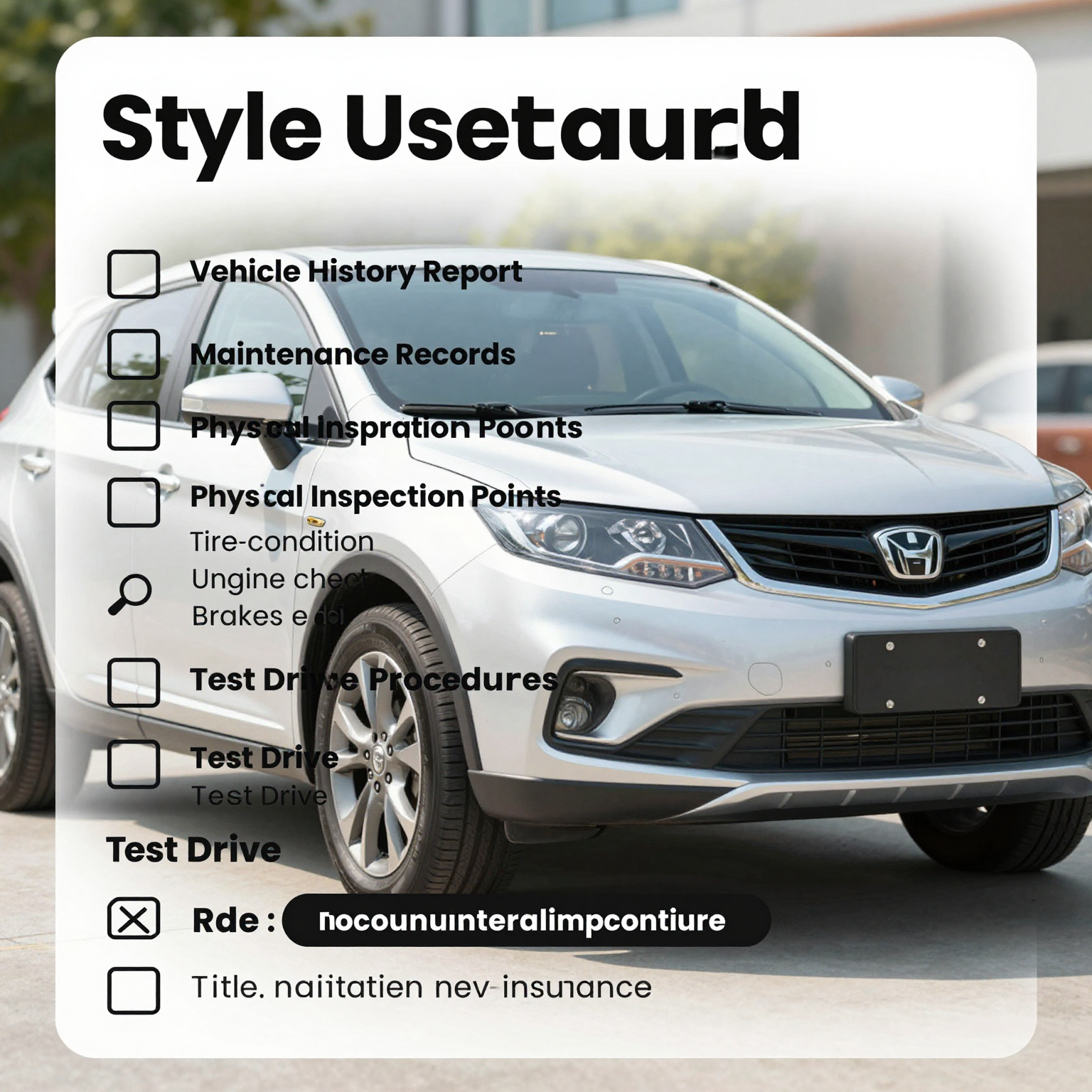
By following these guidelines, business owners can confidently evaluate used cars and make informed purchasing decisions. For more tips on buying used cars for businesses, you can check out our detailed resources.
Understanding the Depreciation of Used Cars vs. New Cars
Purchasing a vehicle can be a significant investment for business owners, and understanding depreciation trends is crucial to making an informed decision. The depreciation curve illustrates how the value of cars decreases over time, and it’s important to compare used cars to new cars in this context.
Depreciation Trends
According to recent studies:
-
New Cars:
-
Experience steep depreciation in the first year, averaging a loss of 20% of their value.
-
By the end of the third year, cumulative depreciation can reach over 40%.
-
This pattern continues, with new cars losing about 60% of their value over five years.
-
Used Cars (3-5 Years Old):
-
Have already absorbed much of their early depreciation.
-
Generally depreciate at a slower rate of about 10% per year, making them a solid financial investment.
Comparative Depreciation Chart
The chart below illustrates the depreciation curve for new and used cars over a five-year period:
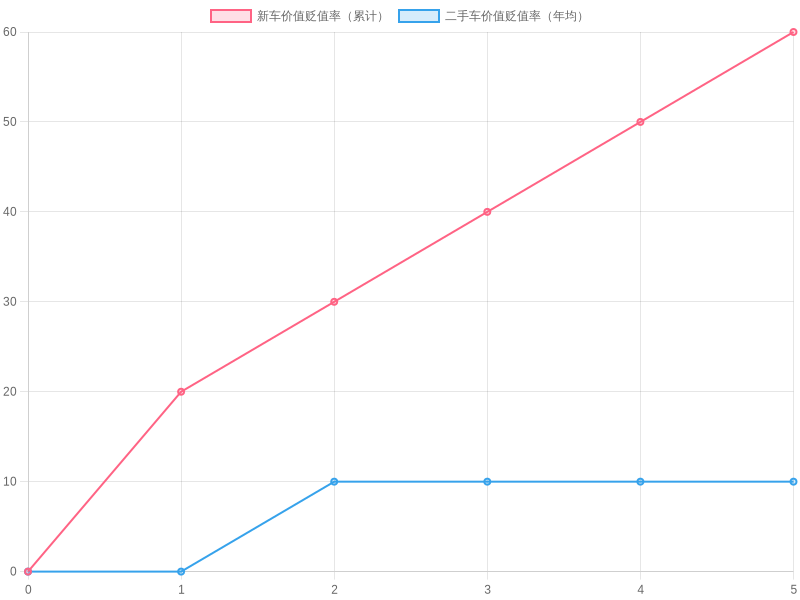
- New Cars see a steep drop in value initially, while Used Cars show a more gradual decrease.
For business owners looking to buy vehicles, investing in used cars aged 3-5 years can provide substantial savings and reduce the financial burden associated with rapid depreciation. Learn more about buying used cars for businesses here.
Conclusion: Unlock the Benefits of Used Car Specials for Your Business
As business owners, making cost-effective decisions is crucial for success. Used car specials offer a multitude of advantages that can help enhance your vehicle fleet while saving money. Notable benefits include:
- Cost Efficiency: Used cars generally come at a lower price point compared to new models, allowing you to allocate savings to other business needs. According to MotorTrend, these promotions effectively highlight the value proposition of used cars in a competitive marketplace.
- Asset Reliability: Many used vehicles are sold after being thoroughly inspected and maintained, ensuring their reliability and reducing potential maintenance costs, which can bolster your operational efficiency.
- Tax Advantages: The purchase of used vehicles can often qualify as tax-deductible expenses, helping to improve your business’s tax position.
- Boosting Customer Acquisition: Used car specials can drive customer engagement and repeat business, as described by CarGurus.
By considering used car specials for your fleet needs, you not only ensure significant savings but also enhance your company’s operational capabilities. Don’t miss out on these fantastic deals! Visit junkcarsking-cashforcars.com today to explore our latest offers and elevate your business’s transportation solutions!