Introduction
In today’s rapidly evolving automotive landscape, the significance of the used car market cannot be overstated, especially for business owners. As of 2023, the global used car market reached an impressive valuation of about $1.5 trillion, driven by surging new car prices and ongoing semiconductor shortages. This figure is expected to grow at a CAGR of 6.2%, potentially reaching $1.82 trillion by 2030. Such growth presents lucrative opportunities for entrepreneurs looking to invest wisely in transportation assets. Furthermore, with used car prices being approximately 44% higher than they were five years ago, understanding who is buying these cars and why is crucial for making informed business decisions. Not only does this sector provide alternative purchasing options for consumers, but it also holds strategic value for businesses regarding fleet management and budget allocation. Learn more about market insights to understand how tapping into this market can benefit your business in the long run.
Understanding Used Car Buyers: User Personas
As the used car market continues to thrive, it is essential for business owners to understand who their typical customers are. This section explores different user personas of used car buyers, focusing on their demographics, motivations, and purchasing habits.
1. Young First-Time Buyers
- Demographics: Typically aged 18-24, these buyers are often graduates or young professionals looking for affordable transportation options. According to a recent report, this age group makes up a significant percentage of the used car market, with a gender distribution of about 55% male and 45% female.
- Motivations: This group is usually budget-conscious, seeking reliable vehicles at lower price points. They often prioritize vehicle history and mileage, heavily relying on online resources for price comparisons and vehicle evaluations.
- Purchasing Habits: First-time car buyers prefer buying through online platforms due to the extensive information available and user reviews. They often opt for financing options to spread the cost.
2. Families
- Demographics: Typically composed of individuals aged 30-50, families often have higher income levels, ranging from $51,000 to $90,000 annually. They usually comprise balanced gender representation when buying, as both partners are involved in decision-making.
- Motivations: Safety, space, and reliability are paramount for family buyers. They look for vehicles with high safety ratings and sufficient space for children and cargo. Deals and warranty options are also major motivating factors.
- Purchasing Habits: Families tend to prefer certified pre-owned cars for peace of mind regarding warranty and condition. They often use family recommendations and dealer reputation as significant influences on their purchasing decisions.
3. Budget-Conscious Buyers
- Demographics: This persona spans a wide age range, from 25-65+, with diverse income levels under $50,000. This group often includes students and retirees seeking value.
- Motivations: Cost efficiency governs this group’s decisions. They are generally better informed about the market, focusing on deals and promotional offers. They look for vehicles that justify their price through reliability and low maintenance costs.
- Purchasing Habits: These buyers often search for used cars through varied platforms, leveraging both online comparisons and local dealerships. They may prioritize vehicles under $10,000 and negotiate extensively to secure the best deal.
4. Environmental Buyers
- Demographics: Typically younger, aged 25-40, and often urban dwellers, these buyers are motivated by sustainability. They represent roughly 40% female buyers, indicating an increasing engagement with eco-friendly choices.
- Motivations: Their key motivation is seeking vehicles that are fuel-efficient or hybrid. They are environmentally conscious and prioritize brands known for sustainability.
- Purchasing Habits: This group tends to research extensively online before making a purchase. They leverage vehicle history reports and often consider total cost of ownership, including fuel efficiency, when evaluating options.
Demographic Overview Chart
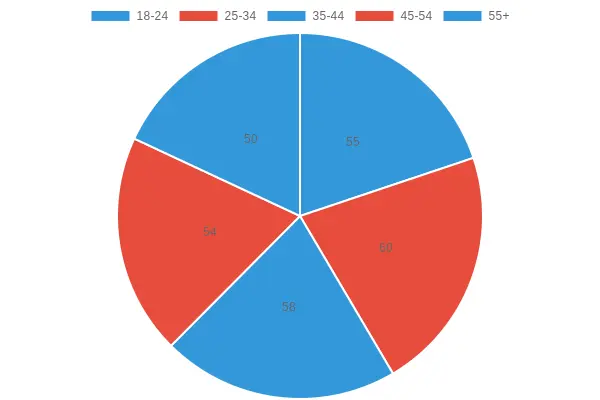
Here’s a chart summarizing the demographic breakdown of used car buyers in 2023:
| Age Group | Gender Distribution | Income Levels |
|---|---|---|
| 18-24 | 55% Male, 45% Female | $25,000 – $35,000 |
| 25-34 | 60% Male, 40% Female | $36,000 – $50,000 |
| 35-44 | 58% Male, 42% Female | $51,000 – $70,000 |
| 45-54 | 54% Male, 46% Female | $71,000 – $90,000 |
| 55+ | 50% Male, 50% Female | $91,000 – $120,000 |
Conclusion
Understanding these user personas helps businesses tailor their marketing strategies effectively, ensuring they meet the diverse needs of their customers. For more information on trends and strategies in used car sales, learn more here.
Reasons for Buying Used Cars
Purchasing a used car presents various benefits that appeal to both individual consumers and businesses. Here are the leading reasons why many opt for used vehicles instead of new ones:
-
Cost Efficiency: Used cars generally have a significantly lower purchase price compared to new vehicles. This allows buyers to save money upfront and allocate resources to other business needs or expenses.
-
Reduced Depreciation: New cars lose a large portion of their value as soon as they leave the dealership. By buying used, the buyer avoids this initial depreciation, making it a smarter investment. A new car can depreciate by up to 20% in the first year alone.
-
Insurance Savings: Insurance premiums for used cars are typically lower than for new cars, resulting in further financial savings over time. This is especially important for businesses looking to manage operational costs effectively.
-
Broader Selection: The used car market offers a wide variety of makes and models. This variety enables buyers to find vehicles that better meet their specific business needs without being restricted to the latest production year’s lineup.
-
Warranty Options: Many used cars come with extended warranties, offering additional peace of mind. Some certified pre-owned vehicles even provide the same warranty coverage as new cars, allowing businesses to invest with confidence.
-
Availability of Reliable Models: Many used cars come from reputable manufacturers known for their reliability. Buyers can leverage reviews and history to select proven models that suit their operations.
-
Environmental Considerations: Opting for used cars contributes to sustainability, reducing the demand for new resources and manufacturing processes. This can enhance a business’s corporate social responsibility (CSR) profile.
-
Financial Flexibility: Lower costs associated with purchasing used cars allow businesses to maintain better cash flow, invest in growth opportunities, or even buy multiple vehicles rather than just one new car.
For businesses considering an economical and practical vehicle solution, learn more about how to buy used cars for businesses.
Financial Benefits of Buying Used Cars
When it comes to purchasing vehicles, business owners often find themselves pondering whether to buy a new or used car. The decision hinges on various financial advantages associated with buying used cars, making them an attractive option for financially savvy individuals. Here, we delve into several compelling financial benefits of purchasing used cars.
Lower Purchase Prices
One of the most significant advantages of buying a used car is the lower upfront costs. Generally, used cars can be purchased for several thousand dollars less than their new counterparts. For instance, while a new model can come with a price tag exceeding $30,000, a used version of the same car may only cost around $20,000 or less, enabling buyers to free up capital for other investments or operational costs.
Depreciation Factors
Another crucial financial aspect to consider is depreciation. New cars experience a steep devaluation right off the lot-often losing up to 20% of their value within the first year. Over the first three years, this can escalate to about 40%. In contrast, used cars have already undergone this initial depreciation, meaning buyers can acquire vehicles at prices reflective of their true market value rather than the inflated initial purchase price of new cars. Consequently, purchasing a used car can yield a higher return on investment, especially when it comes time to resell.
Insurance Savings
When buying a used car, business owners can also expect lower insurance premiums. Insurance rates are typically tied to the car’s value; thus, insuring a used car often costs significantly less than a new one. According to sources, the average insurance rate can be drastically reduced by up to 30% for used models. Consequently, these savings on insurance can contribute substantially to the overall affordability of owning a vehicle, aligning with the financial strategies of many businesses.
Additional Financial Considerations
Purchasing a used car can also come with reduced ongoing costs associated with registration and taxes. Many states assess vehicle taxes and registration fees based on a car’s value. Since used cars are typically less valuable than new ones, business owners can save money in these areas as well.
Furthermore, when looking at higher-quality models, buying used allows owners to invest in vehicles that may have better features or performance than entry-level new models. This enables businesses to improve their fleet without stretching their budgets.
Making the Smart Choice
In summary, buying used cars provides numerous financial benefits that can be particularly advantageous for business owners. From lower purchase prices and reduced depreciation losses to lower insurance costs, the financial logic speaks loudly. For more insights on how to approach buying used cars for your business needs, check out our guide on buying used cars for businesses.
By leveraging these financial advantages, business owners can make more informed and strategic choices in managing their vehicle fleets, ultimately contributing to greater overall cost efficiency.
Comparative Overview of Popular Used Car Models
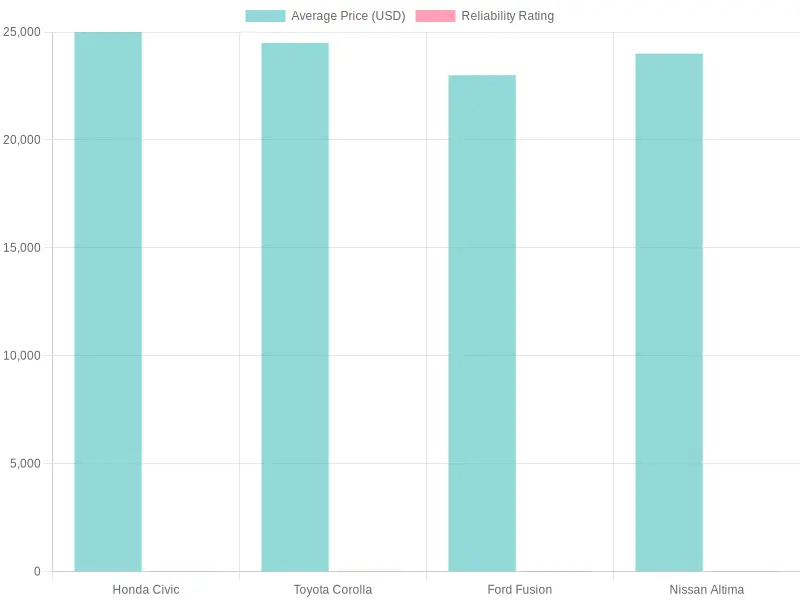
Understanding the dynamics of the used car market can significantly benefit business owners looking to invest in reliable vehicles. Below is a comparative table showcasing some of the most popular used car models based on their average age, price, and reliability ratings in 2023.
| Model | Average Age (Years) | Average Price (USD) | Reliability Rating (out of 5) |
|---|---|---|---|
| Honda Civic | 2 | $25,000 | 4.5 |
| Toyota Corolla | 2 | $24,500 | 4.4 |
| Ford Fusion | 2 | $23,000 | 4.0 |
| Nissan Altima | 2 | $24,000 | 4.3 |
These figures illustrate the competitive pricing and reliability of these models, making them appealing options for businesses.
Car Models Comparison: Price and Reliability
For detailed insights into selling or purchasing used cars for business, you may wish to learn more about pricing insights, which can offer valuable data to enhance your buying decisions.
Emotional Factors Influencing Used Car Purchases
Buying a used car is not only a financial decision; it also evokes various emotions that deeply influence consumers’ choices. Here are some psychological and emotional aspects that drive buyers towards used cars, including nostalgia and brand loyalty.
Nostalgia
Nostalgia plays a significant role in the decision-making process when purchasing used cars. Many buyers often associate specific car models with positive experiences from their past. For instance, someone may remember their family road trips in a particular vehicle, sparking feelings of warmth and comfort, leading them to seek out that same model for their own trips. This nostalgic connection can evoke emotional memories that boost the desire to purchase, even if the practical benefits of owning a newer model might be appealing.
- Purchase Decision Impact: Nostalgia can create a sense of familiarity and comfort, which can outweigh rational factors like price and warranties. Brands effectively leverage this aspect through marketing strategies that connect current offerings to historical models, creating a nostalgic appeal.
- Emotional Bond: When consumers feel emotionally connected to a brand or model due to nostalgic reasons, they are more likely to exhibit brand loyalty. This loyalty can lead to repeat purchases, where individuals stay within the same brand family to recapture those positive memories.
Brand Loyalty
Brand loyalty is another psychological aspect affecting used car purchases. Many buyers develop strong attachments to particular brands based on past positive experiences, reliable performance, or brand reputation.
- Influence of Past Experiences: If a consumer had a favorable experience with a brand’s vehicle in the past, they are likely to trust and choose that brand again. This loyalty often translates into purchasing used vehicles from that brand.
- Emotional Reasoning: The psychological reasoning behind brand loyalty often overshadows the logical evaluation of other available options. Research indicates that consumers will often choose emotional ties over rational decision-making when evaluating used cars, showing that emotions can dictate perceived value and desirability.
Conclusion
Understanding the emotional factors that influence used car purchases provides valuable insights not just for consumers but also for business owners in the automotive industry. Effective engagement with nostalgia and brand loyalty can enhance marketing strategies, tapping into the emotional drivers that guide purchasing decisions.
For further insights on how businesses can cater to these emotional connections, check out our guide on buying used cars for businesses.
Growth of the Used Car Market: 2023 Overview
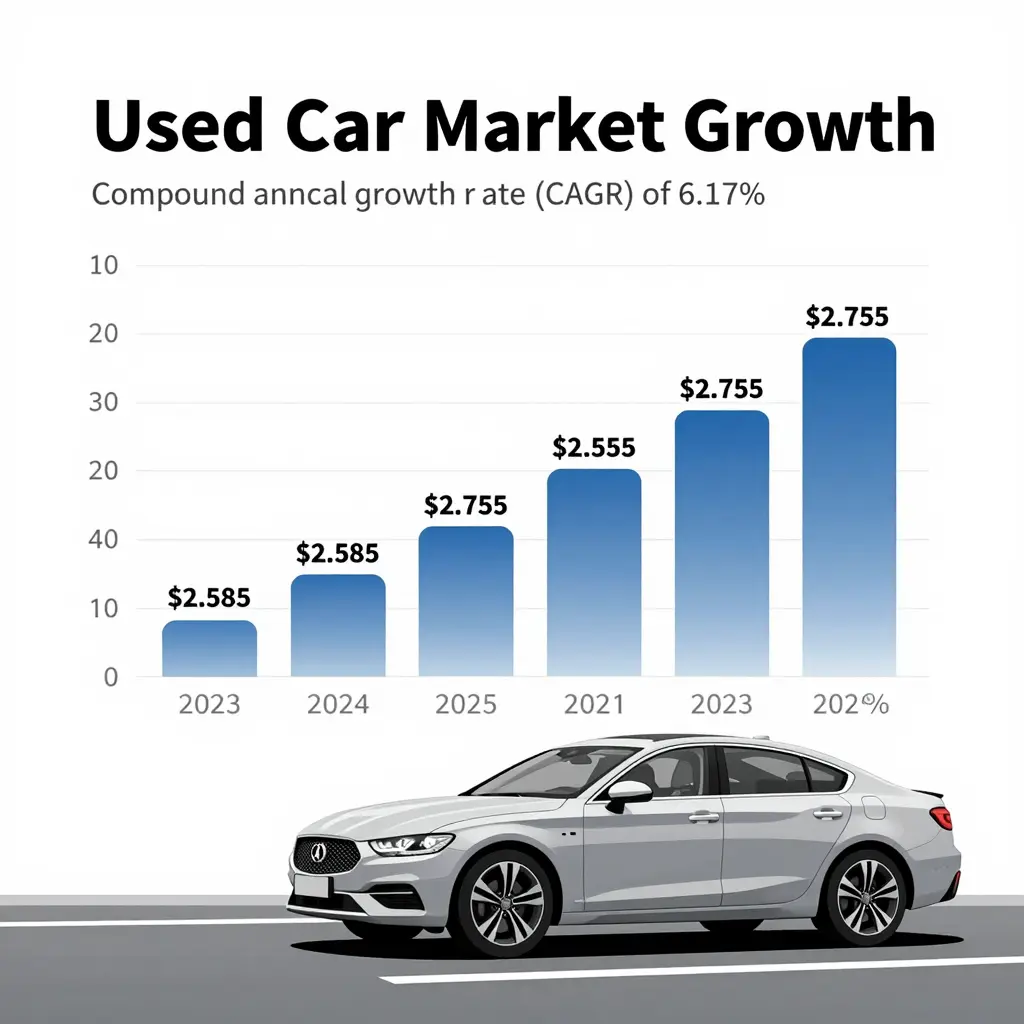
The used car market has demonstrated substantial growth and resilience in recent years. According to multiple sources, the market is experiencing a significant rise, with projections indicating a compound annual growth rate (CAGR) of 6.17% from 2022 to 2023. This growth is primarily driven by an increasing demand for affordable vehicles and evolving consumer preferences.
Current Market Size
In 2022, the global used car sales market was valued at approximately $2.585 trillion. This figure is expected to rise to $2.755 trillion by 2023. This upward trend highlights the ongoing strength of the used car segment in the overall automotive market.
Factors Driving Growth
Several factors contribute to the expansion of the used car market:
- Economic Considerations: Rising prices of new vehicles and economic uncertainties are prompting more buyers to consider used cars as a more viable option.
- Shift in Consumer Preferences: There is increasing acceptance and preference for pre-owned vehicles, especially as online platforms make purchasing easier and more transparent.
- Availability of Diverse Options: The variety of used vehicles available, including older models and newer releases, caters to a broader audience, enhancing market growth.
Market Trends
- Innovation in Selling Platforms: The rise of online marketplaces and apps for buying and selling used cars has simplified the process, making it more accessible to consumers. Businesses should consider enhancing their online presence to meet shifting consumer behaviors.
- Electrification of the Used Vehicle Market: As electric and hybrid vehicles gain traction, the demand for used electric cars is expected to surge, presenting new opportunities for sellers and buyers alike.
- Increased Scrutiny of Vehicle History: Buyers are becoming more informed, often seeking detailed vehicle histories before making purchases, which emphasizes the importance of transparency in the sales process.
Conclusion
The growth of the used car market presents a wealth of opportunities for business owners. Understanding these trends and statistics can equip car dealerships and online sellers to tailor their approaches, ensuring they meet market demands effectively. For those looking to delve deeper into strategies for operating in this lucrative market, learn more about the used car market.
Market Size Growth Over Years
| Year | Market Size | CAGR (%) |
|---|---|---|
| 2022 | $2.585 Trillion | 6.17 |
| 2023 | $2.755 Trillion | 6.17 |
For more in-depth insights and analysis on the current market trends, check out this comprehensive report.
Understanding the Used Car Market
The used car market is dynamic and continually evolving, influenced by various factors such as economic conditions, buyer preferences, and vehicle advancements. Understanding who buys used cars may help business owners cater to this significant demographic effectively. Industry experts, like Rory Angold, have valuable insights into this space.
Expert Insight
Rory Angold, the Executive Vice President at United Car Care, emphasizes the importance of understanding the broader market dynamics when purchasing used vehicles. He states, “A thorough vehicle history report and independent inspections can safeguard buyers against unforeseen issues, ensuring a wise investment in the used car market.” This highlights the precautions necessary for buyers, reinforcing the notion that informed decisions lead to better purchasing experiences.
As a business owner, it’s essential to recognize that your customers are increasingly seeking reliable information and transparency in transactions. This aligns with the growing trend of thorough research prior to purchasing used vehicles. To expand your knowledge about the used car market, learn more about buying used cars for businesses.
Trends in Used Car Sales by Region
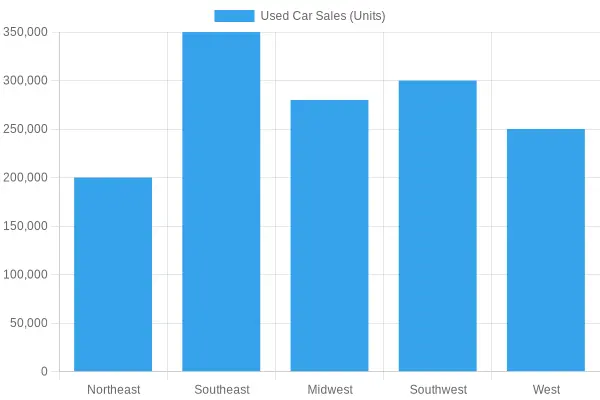
The used car market is influenced by various factors, including geographical preferences and economic conditions. To better understand these trends, we have created a chart illustrating the sales of used cars across different regions in 2023.
Used Car Sales Data
| Region | Used Car Sales (Units) |
|---|---|
| Northeast | 200,000 |
| Southeast | 350,000 |
| Midwest | 280,000 |
| Southwest | 300,000 |
| West | 250,000 |
Conclusion
By examining the data, it’s clear that the Southeast region leads in used car sales, showcasing strong buyer interest. Regional markets can significantly influence business strategies in the automotive sector. For more on how to effectively approach the used car market, learn more about buying used cars for businesses.
This visualization and the supporting data can empower business owners to make informed decisions when tapping into regional markets.
In conclusion, the used car market presents a compelling opportunity for business owners looking to diversify their offerings or enhance their operational fleet. As we’ve discussed, 2023 is witnessing a notable 4.6% rise in used car sales year-on-year, with industry projections indicating that the market will continue to grow, possibly doubling in scale within the next few years. This trend aligns with the increasing customer demand for affordable and reliable vehicles, making it essential for businesses to consider entering this market. Furthermore, acquiring used cars can often lead to better profit margins due to lower purchase costs compared to new vehicles. Therefore, whether you are considering purchasing directly from platforms like Edmunds or exploring sales via Cash for Cars, the potential for success in the used car market is substantial. Investing in used cars could not only enhance your company’s fleet but also create a new revenue stream that capitalizes on the current economic landscape of automotive sales.