Introduction
In today’s fast-paced business environment, choosing the right vehicle is crucial for operational efficiency and cost management. Compact cars have emerged as a smart choice for business owners, offering a blend of affordability, fuel efficiency, and practicality. With rising fuel prices and environmental concerns, many businesses are prioritizing sustainable options that can simultaneously drive down costs and enhance their brand image. Compact cars, known for their agility and easy maneuverability, make them ideal for urban settings where space is often at a premium.
Moreover, a well-chosen vehicle can serve more than just a transport role; it can become a mobile marketing tool, enhancing visibility and promoting your brand on the go. In this article, we will explore various compact cars for sale that cater to the diverse needs of business owners, from delivery services to mobile offices. To help you make an informed decision, we will also discuss the essential factors to consider when selecting a vehicle for your business needs. Whether you are looking for reliability, affordability, or fuel efficiency, there is a compact car that perfectly fits your business profile. Join us as we delve into the top compact cars available and their unique advantages for entrepreneurs navigating the modern marketplace. For insights on choosing vehicles tailored to your company’s needs, learn more here or check our guide on buying used cars for businesses.
Benefits of Compact Cars for Business Owners
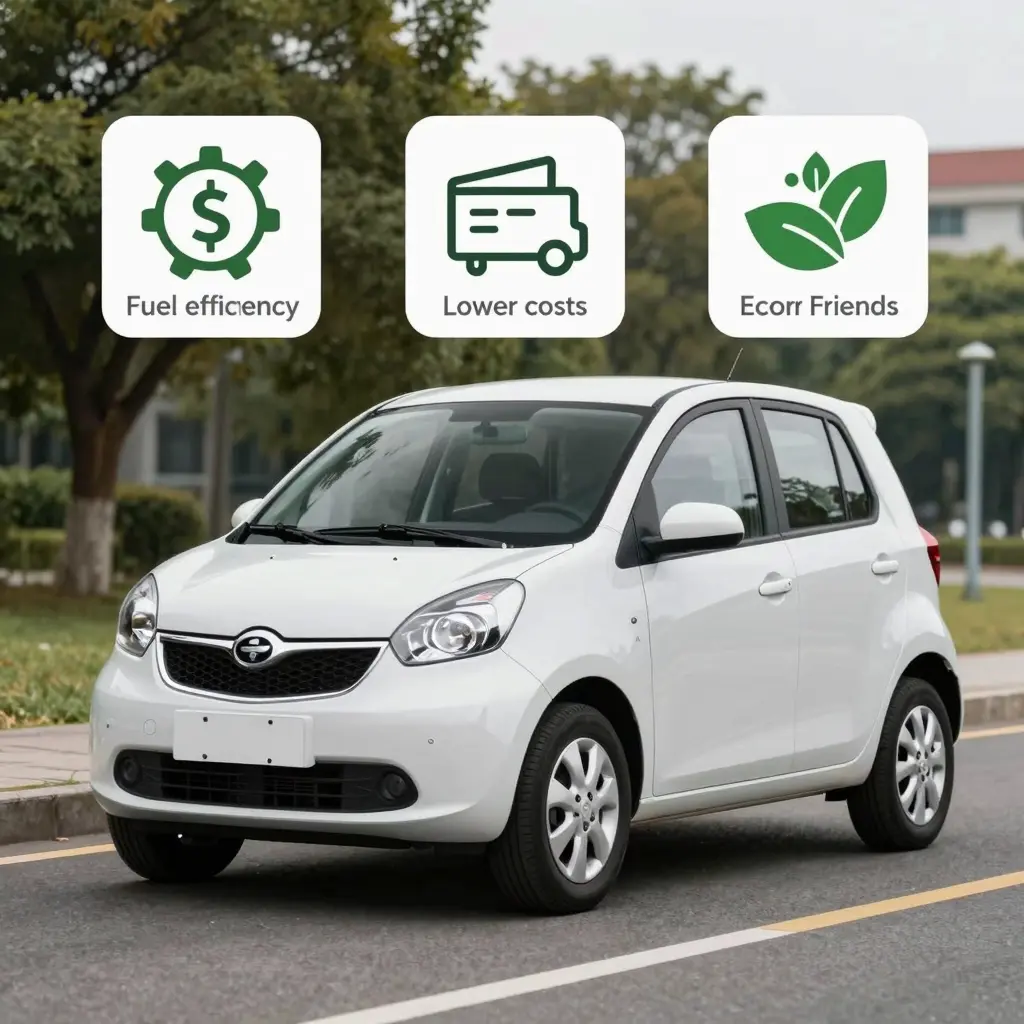
Compact cars offer a multitude of advantages that can significantly benefit business owners looking for economical and practical vehicle options. With rising operational costs, it’s essential for businesses to optimize their spending, and compact cars prove to be a strategic choice. Here are some key benefits:
1. Fuel Efficiency
One of the standout features of compact cars is their impressive fuel efficiency. Recent statistics indicate that models like the Honda Civic can achieve up to 48 miles per gallon (MPG), making them incredibly cost-effective for daily driving needs (iSeeCars.com). Business owners who frequently travel for meetings or run errands will find that lower fuel expenses can lead to substantial savings over time. Moreover, with fluctuating fuel prices, having a vehicle that minimizes fuel consumption can stabilize a business’s operational costs.
2. Lower Overall Costs
Compact cars generally come at a lower purchase price compared to larger vehicles, which translates into reduced monthly payments or a lower upfront cash expenditure. This financial advantage can be particularly beneficial for small business owners who are looking to invest in a reliable transportation option without incurring heavy debts. Furthermore, because compact cars typically have lower insurance premiums and maintenance costs, businesses can allocate their budgets more effectively, enhancing profitability.
3. Ease of Parking and Maneuverability
Navigating through congested urban areas can be taxing, especially with larger vehicles. Compact cars excel in maneuverability, allowing business owners to navigate tight streets, busy parking lots, and urban environments with ease. Their smaller size simplifies parallel parking and helps avoid those cumbersome parking fees that often come with larger vehicles (Ottawa Press). This convenience can save valuable time, enabling business owners to focus on their core operations instead of wasting hours looking for a parking space.
4. Environmental Impact
In today’s eco-conscious world, compact cars also offer environmental benefits. Many compact models produce lower emissions than their larger counterparts, contributing positively to a business’s corporate social responsibility goals. A company that operates with environmentally friendly vehicles can enhance its brand image and appeal to environmentally conscious customers.
5. Tax Incentives and Benefits
Depending on the region and specific vehicles, business owners might also benefit from tax advantages associated with owning compact cars. These may include deductions for business-related driving, which can further reduce the financial burden on the company’s bottom line (Tax Consulting). Moreover, having a compact car can provide branding opportunities as well, especially if outfitted with company logos and branding visuals.
Conclusion
For business owners, investing in compact cars can be a prudent decision with the potential for significant fiscal benefits. Between fuel savings, lower ownership costs, easier maneuverability, and potential tax benefits, choosing compact vehicles can streamline operations and positively impact overall profitability. With options available, such as the highly rated Hyundai Elantra, business owners have several ways to enhance their transportation efficiency in a cost-effective manner.
If you’re considering adding a compact car to your business’s fleet, learn more about buying used cars for businesses to make an informed decision.
Comparison of Popular Compact Car Models for Business Use
When selecting the right compact car for business, it’s crucial to consider factors such as price, fuel efficiency, and featured technology. Here’s a breakdown of some of the most popular compact models available in 2023:
| Make | Model | Price Range | Fuel Efficiency (MPG) | Key Features |
|---|---|---|---|---|
| Toyota | Corolla | $20,000 – $26,000 | 31 city / 40 highway | Adaptive cruise control, lane assist |
| Honda | Civic | $22,000 – $28,000 | 31 city / 40 highway | Spacious interior, sporty handling |
| Hyundai | Elantra | $21,000 – $27,000 | 33 city / 43 highway | User-friendly tech, affordable price |
| Ford | Focus | $19,000 – $25,000 | 28 city / 38 highway | Excellent handling, good visibility |
| Nissan | Sentra | $19,000 – $24,000 | 29 city / 39 highway | Safety features, comfortable ride |
| Kia | Forte | $20,000 – $25,000 | 33 city / 41 highway | High warranty, tech features |
| Chevrolet | Malibu | $23,000 – $30,000 | 29 city / 36 highway | Roomy cabin, smooth ride |
| Volkswagen | Jetta | $21,000 – $27,000 | 30 city / 40 highway | Strong build, driver-focused layout |
Visual Representation of Fuel Efficiency
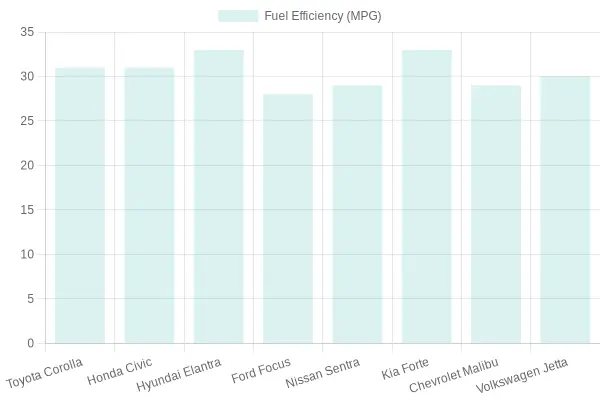
The chart above illustrates the fuel efficiency of these compact car models, helping you visualize which is the most economical choice for business driving.
If you’re considering purchasing a compact car, learn more about buying used cars for businesses to find the best options that meet your financial needs.
For insights on selling your old vehicle, check out our simple guide to selling your junk car for cash.
Compact Car Market Trends: A Focus on Specifications for Business Owners
The compact car market is evolving rapidly, with new features and specifications catering to the preferences of business owners. As companies look for vehicles that blend efficiency, practicality, and modern technology, several trends have emerged for 2023.
Key Features Attracting Business Owners
Business owners are increasingly drawn to compact cars due to several key features:
- Fuel Efficiency: With rising fuel prices, fuel economy is paramount. Compact cars generally provide higher miles per gallon (MPG) compared to larger vehicles.
- Affordability: Compact cars are often more affordable, making them attractive for businesses with budget constraints. They typically have lower maintenance and insurance costs as well.
- Technology Integration: Many compact models come equipped with advanced technology, including infotainment systems with smartphone integration, GPS navigation, and various driver-assistance features.
- Compact Size: Their size allows for easy maneuverability in urban areas and helps facilitate parking, a crucial consideration for business owners in metropolitan settings.
Notable Models for 2023
Here’s a look at three compact cars that are making waves in the market this year:
- Mazda3
- Fuel Efficiency: 33 city / 44 highway MPG
- Horsepower: 155 hp
- Interior Features: 8.8-inch touchscreen, Apple CarPlay, Android Auto
- Link: Learn more about the Mazda3
- Volkswagen Jetta
- Fuel Efficiency: 30 city / 40 highway MPG
- Horsepower: 158 hp
- Interior Features: 8-inch infotainment system, digital cockpit
- Link: Read the Jetta review
- Kia Forte
- Fuel Efficiency: 31 city / 41 highway MPG
- Horsepower: 147 hp
- Interior Features: 8-inch touchscreen, advanced driver-assistance systems
- Link: Explore the Kia Forte
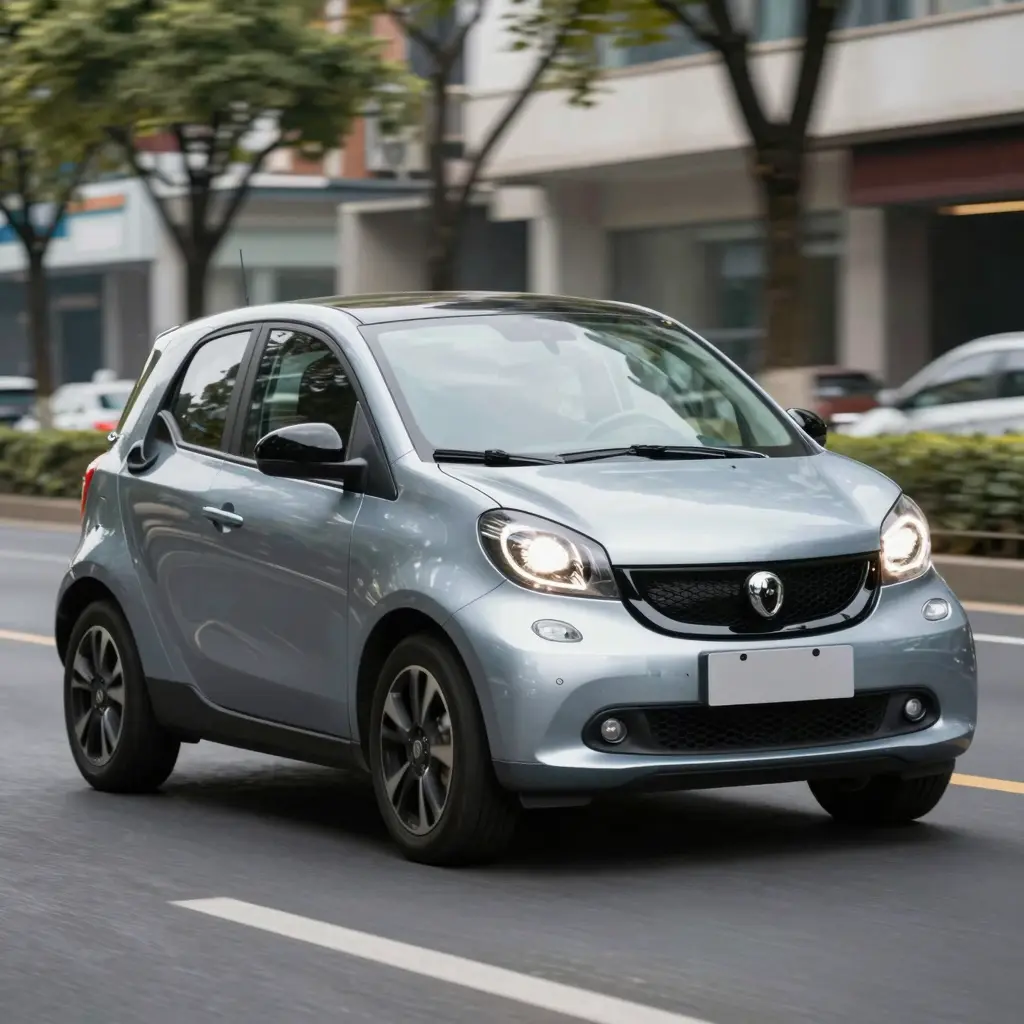
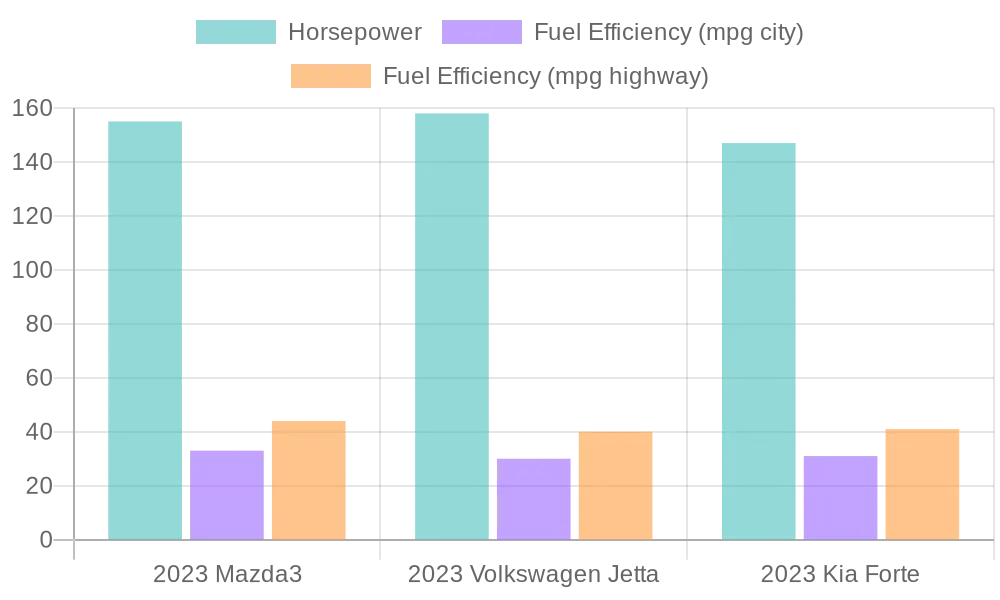
Here’s a visual comparison of these models:
Comparison of Specifications
Here’s a detailed table highlighting the specifications of the aforementioned compact car models:
| Model | Fuel Efficiency (mpg) | Horsepower | Interior Features |
|---|---|---|---|
| 2023 Mazda3 | 33 city / 44 highway | 155 hp | 8.8-inch touchscreen, Apple CarPlay, Android Auto |
| 2023 Volkswagen Jetta | 30 city / 40 highway | 158 hp | 8-inch infotainment system, digital cockpit |
| 2023 Kia Forte | 31 city / 41 highway | 147 hp | 8-inch touchscreen, advanced driver-assistance systems |
Additionally, here’s a chart comparing horsepower and fuel efficiency across these models:
Conclusion
In summary, the compact car market is thriving with options that cater specifically to the needs of business owners. From exceptional fuel efficiency to advanced technology, 2023’s compact cars offer functionality and style. For more detailed guidance on buying used cars for your business, you can read our ultimate guide here.
Financing Options for Compact Cars
As a business owner, purchasing a compact car can be an excellent investment, providing both utility and cost-effectiveness. Here’s an outline of various financing options available to facilitate your purchase, including leasing, loans, and potential tax deductions for businesses.
1. Leasing a Compact Car
Leasing is a popular finance option for many business owners, offering flexibility and lower monthly payments compared to buying. Here are some significant features:
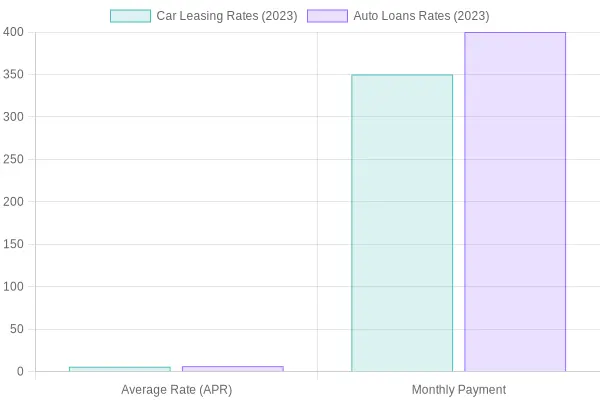
- Average Rate: In 2023, the average APR for car leasing is approximately 5.7%.
- Monthly Payment: Businesses can expect an average monthly payment of around $350.
- Mileage Allowance: Standard leases come with a mileage limit, often 10,000 miles per year, making it ideal for those who drive less.
- Maintenance Coverage: Many lease agreements include scheduled maintenance, which can lower overall costs.
- End of Term Options: At the end of the lease, you typically have the option to purchase the vehicle or return it.
Leasing is particularly advantageous for businesses that may need to upgrade vehicles frequently to keep up with modern technology or changing demands. For a visual comparison, refer to the chart below that illustrates leasing rates versus auto loan rates in 2023.
2. Taking Out an Auto Loan
If purchasing a compact car outright is more suitable for your business needs, an auto loan might be a viable option. Key points include:
- Loans Rates: The average loan interest rate stands at about 6.4% in 2023.
- Monthly Payment: The expected monthly payment for an auto loan can average around $400.
- Loan Term: Standard auto loans typically extend over 60 months, allowing for manageable payments over a longer period.
- Ownership: Once the loan is paid off, the vehicle is owned outright, giving complete control.
Investing in your vehicle through an auto loan can be beneficial for businesses anticipating long-term use of the car.
3. Tax Deductions for Businesses
Purchasing a vehicle for business use can also offer significant tax advantages. Here are a few key deductions:
- Section 179 Deduction Limit: Businesses may deduct up to $1,080,000 for vehicle purchases that qualify under this section.
- Passenger Vehicle Deduction: For passenger vehicles weighing less than 6,000 pounds, the maximum deduction is $28,900.
- Sports Utility Vehicles (SUVs) and Trucks: Similar to passenger vehicles, SUVs and trucks can also claim a deduction limit of $28,900 if they meet weight criteria.
- Bonus Depreciation: Up to $1,080,000 can be deducted through bonus depreciation for new and used vehicles placed in service within the purchase year.
- Luxury Automobile Limit: For luxury vehicles, there is a cap of $27,000 available for deductions based on IRS criteria.
Here’s a table illustrating the deduction limits you might expect:
| Deduction Type | Limit | Description | Source URL |
|---|---|---|---|
| Section 179 Deduction Limit | Up to $1,080,000 | Immediate deduction for the purchase of eligible vehicles for businesses. | IRS |
| Passenger Vehicle Deduction | $28,900 | Maximum deduction limit for passenger vehicles weighing less than 6,000 pounds. | TurboTax |
| SUVs and Trucks | $28,900 | Special section for SUVs and trucks weighing over 6,000 lbs. | Four Wheel Trends |
| Maximum Bonus Depreciation | Up to $1,080,000 | Applies to new and used vehicles placed in service in the year purchased. | Investopedia |
| Luxury Automobile Limit | $27,000 | Limit applies to luxury automobiles under the luxury auto depreciation limits. | H&R Block |
By understanding these financing options, you can make informed decisions that align with your business’s financial goals. Whether you choose to lease or purchase a compact car, there are avenues available that can enhance your bottom line while equipping your business with the necessary resources to thrive.
For more insights, learn more about financing options designed for businesses.
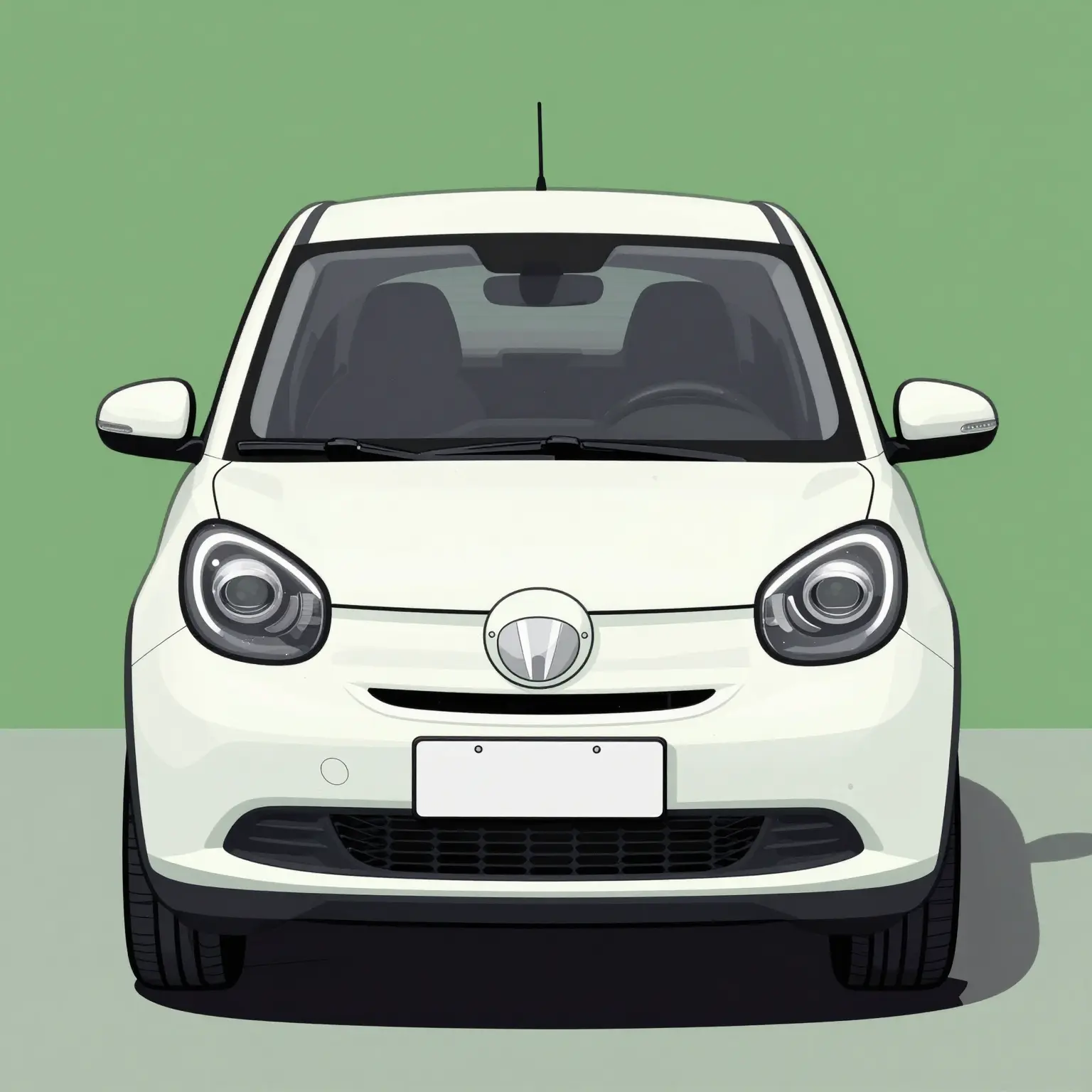
This illustration showcases a typical compact car from the front view, highlighting its modern features for engaging visual interest in the article about compact cars for sale.
User Testimonials on Integrating Compact Cars into Business Fleets
In recent years, many business owners have successfully integrated compact cars into their fleets due to their efficiency and cost-effectiveness. Here are some insights shared by these entrepreneurs:
Case Study: Fast Delivery Solutions
“We decided to switch to a fleet of compact cars two years ago. Initially, it seemed like a leap of faith, but it paid off. Our operational costs, especially fuel expenses, dropped significantly-by about 30%! The compact cars are perfect for navigating tight city streets, allowing our delivery drivers to maneuver more easily, and we’ve noticed that our customer satisfaction has improved as deliveries arrive on time, even during rush hours.”
– Mark Turner, Owner of Fast Delivery Solutions
This demonstrates how compact vehicles can enhance delivery efficiency and drop costs, which are critical for business profitability.
Testimonial: Urban Green Deliveries
“Our company is focused on eco-friendly practices, and incorporating compact electric vehicles has aligned perfectly with our mission. Not only do we reduce our carbon footprint, but we’ve also seen a substantial decrease in our fuel costs. Our clients appreciate the sustainability initiative, which has bolstered our reputation in the community.”
– Jenna Myers, CEO of Urban Green Deliveries
Jenna’s experience highlights how compact cars can serve dual purposes-operational efficiency and ecological responsibility-which is becoming increasingly important to consumers today.
Real-World Example: Wren’s New Fleet Investment
According to an article from kbbreview, Wren, a well-known delivery service in the UK, recently invested £35 million into their fleet, showcasing their commitment to efficiency through the incorporation of compact vehicles. This not only demonstrates the shift towards using more compact vehicles but also the recognition of their viability in enhancing business operations.
Insight on Telematics and Fleet Management
A NextBillion.ai article discusses how telematics can optimize routing for compact cars in delivery, promoting efficiency and reducing operational costs. The incorporation of technology is essential to fully realize the potential of compact vehicles in business settings.
In conclusion, the integration of compact cars into business fleets is proving to be a game-changer for many companies. The benefits include reduced operational costs, improved maneuverability in urban settings, and enhanced brand reputation through sustainable practices. As more businesses recognize these advantages, the trend of utilizing compact cars for fleets will likely continue to grow.
Total Cost of Ownership for Compact Cars Over Five Years
When considering compact cars for business purposes, understanding the total cost of ownership is crucial. This includes maintenance, insurance, and fuel costs that will accumulate over a five-year period. Below is a comparison of some popular compact car models:
| Car Model | Total Cost of Ownership | Maintenance | Insurance | Fuel |
|---|---|---|---|---|
| Honda Civic | $30,000 | $4,000 | $3,500 | $3,000 |
| Toyota Corolla | $28,000 | $3,500 | $3,000 | $2,500 |
| Ford Focus | $27,000 | $4,200 | $3,200 | $2,900 |
| Hyundai Elantra | $26,000 | $3,800 | $3,100 | $2,600 |
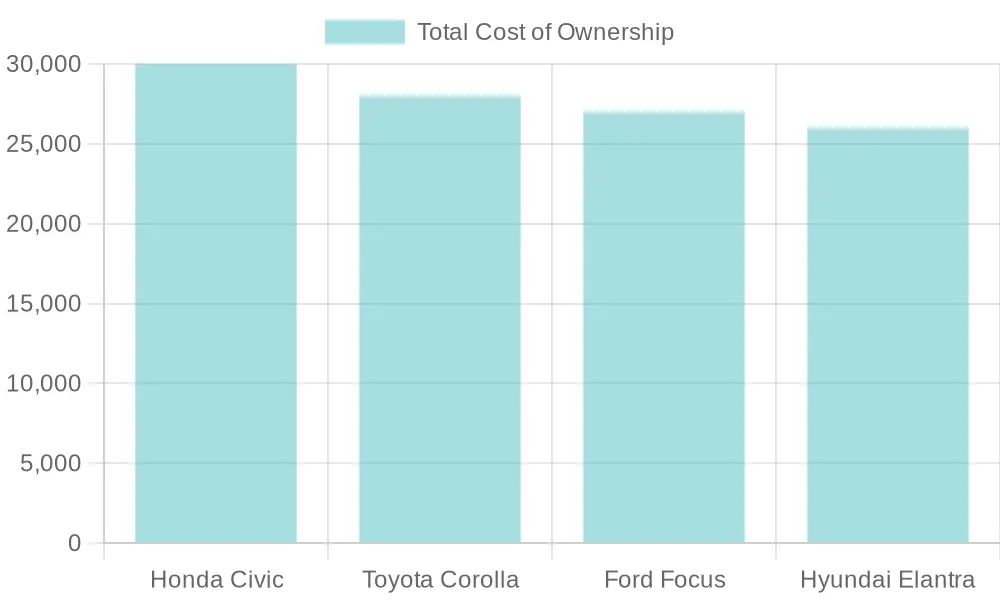
This chart provides a clear visual representation of the costs associated with these compact cars, enabling business owners to make informed purchasing decisions. For more insights on purchasing a used car, you can learn more about buying used cars for businesses or explore options for selling your junk car for cash.
Top Considerations for Business Owners When Choosing a Compact Car
When selecting a compact car for business purposes, several key factors come into play. Understanding these considerations can help business owners make an informed decision that aligns with their operational needs and budget. Here’s an unordered list of vital factors to think about:
-
Budget: Determine your initial purchase price limit and consider long-term financing options. Compact cars generally have lower purchase prices and can offer great value.
-
Fuel Efficiency: Opt for compact cars with high fuel economy ratings. Good fuel efficiency translates to lower operational costs, especially for businesses relying on constant travel.
-
Functionality and Cargo Space: Evaluate everyday business needs. A compact car should provide sufficient passenger and cargo space to accommodate your business requirements, from transporting clients to handling equipment.
-
Maintenance Costs: Research the average maintenance costs associated with different models. According to sources, the average annual repair cost for compact cars is around $526, which is lower than many larger vehicles (RepairPal Insights).
-
Resale Value: Consider the potential resale value of the car. Compact cars typically hold value well in the market, making them a smart long-term investment (Vehicle Empire).
-
Safety Features: Prioritize models with robust safety ratings and features, as safety is paramount for transportation-related businesses. Look for crash test ratings and available safety technologies.
-
Technology and Connectivity: Check for technology features, including Bluetooth connectivity, navigation systems, and other amenities that improve the driving experience and enhance productivity.
-
Urban Suitability: For businesses operating in urban environments, a compact car’s size can significantly ease parking and maneuverability, making it more convenient for city driving (Modern Gentleman Magazine).
-
Brand Reputation: Research the reliability and performance records of different brands, as certain manufacturers are known for producing durable and reliable compact cars.
-
Insurance Costs: Obtain insurance quotes for prospective vehicles since the insurance premium can vary significantly between different compact cars.
Choosing a compact car tailored to your business needs can enhance efficiency, reduce costs, and provide a positive return on investment. By considering these essential factors, business owners can make an informed decision that supports their operational goals.
Conclusion and Call to Action
In conclusion, compact cars are an excellent option for business owners looking to enhance their fleet operations. The advantages of utilizing compact vehicles include:
- Cost Efficiency: Compact cars typically offer lower maintenance costs and fuel consumption, translating into substantial savings for businesses over time. Fleet drivers appreciate the efficiency of these vehicles, allowing for reduced operational costs without sacrificing performance.
- Urban Maneuverability: In crowded urban environments, compact cars excel. They are easier to park, navigate tight spaces, and contribute to faster delivery times, crucial for businesses relying on efficient transportation.
- Sustainability: As businesses strive to meet environmental goals, compact cars, often equipped with hybrid or electric capabilities, can significantly lower carbon footprints. This not only helps in compliance with regulations but also enhances the company’s image as an eco-friendly entity.
As the compact car market adapts to current trends, featuring enhanced technology and sustainable options, there has never been a better time for businesses to consider integrating these vehicles into their fleet. The future is leaning towards sustainability, and compact cars are at the forefront of this shift. For a detailed overview of market trends, consider reading about current trends in compact cars.
If you’re looking to get started, our website offers a variety of compact cars suitable for business purposes. Explore options that fit your needs and budget through our buying used cars for businesses guide. Don’t miss out on the opportunity to improve efficiency, reduce costs, and positively impact the environment by adopting compact cars for your business fleet!
Consider making the switch today and welcome the numerous benefits compact cars have to offer!